Acne in Kenyan Skin: Managing Breakouts and Hyperpigmentation
by Maroa Noa · 20 Jul 2026
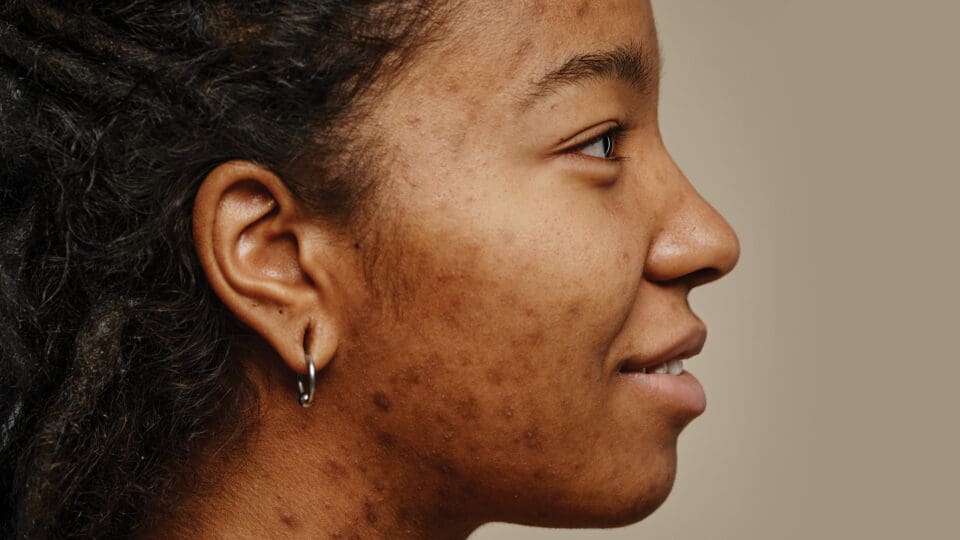
A Pharmily guide to treating acne while protecting against dark marks
For many people with deeper skin tones, acne isn't just about the pimple itself, it's about the dark mark it leaves behind. These marks can stick around for months after the pimple is long gone, and they're often more upsetting than the breakout ever was.
General skincare advice often misses this, so this guide focuses on treating acne while keeping those dark marks to a minimum.
Why Dark Marks Are a Bigger Deal for Some Skin Tones
Skin with more melanin (the pigment that gives skin its color) tends to produce even more pigment when it's irritated or injured. This is called post-inflammatory hyperpigmentation, or PIH for short. It means even a small pimple can leave a dark mark that lasts far longer than the pimple itself, especially if the skin is further irritated by picking, harsh products, or too much sun.
This is different from acne scarring, which changes the texture of your skin. PIH is just a color change, and while it usually fades on its own, it can take a while without the right care.
|
A Dark Mark Isn't Necessarily a Scar It's easy to assume a stubborn dark mark is a permanent scar, but true post-inflammatory hyperpigmentation is temporary. It usually fades within six to twelve months, faster with the right treatment and daily sunscreen. True scarring, where the skin's texture changes (pitted or raised areas), is a different issue that may need separate, often specialist-led, treatment. |
Treating Acne Without Making Dark Marks Worse
The goal here is two things at once: clear the active breakout, and avoid the kind of irritation that triggers more dark marks.
Pick Treatments That Calm the Skin, Not Just Clear It
- Benzoyl peroxide works well but can irritate skin at higher strengths, starting with a lower strength lowers your risk of more dark marks
- Salicylic acid is gentler than some other options and helps clear pores without much irritation
- Niacinamide is especially useful, it calms inflammation while also helping fade dark marks that are already there
- Bring in retinoids slowly, since irritation from moving too fast can trigger new pigmentation on its own
Avoid the Things That Make Dark Marks Worse
- Never pick, squeeze, or pop pimples, this is one of the biggest causes of dark marks
- Skip harsh physical scrubs, which can injure skin and worsen marks
- Test new products on a small area before using them on your whole face
- Introduce one new product at a time so you know what your skin actually tolerates
Fading Dark Marks That Are Already There
Once your active breakouts are under control, you can start treating existing dark marks. A few ingredients are well known to help:
- Niacinamide: reduces how much pigment gets passed between skin cells and calms inflammation
- Azelaic acid: helps with both acne and pigmentation, and is gentle on sensitive skin
- Vitamin C: helps brighten skin over time
- Retinoids: help skin cells turn over faster, gradually fading dark marks
- Gentle acids like glycolic acid: exfoliate the surface to even out skin tone
For deeper or more stubborn marks, a pharmacist or dermatologist may suggest something stronger. But be careful here, some aggressive treatments (like certain peels or lasers) can actually cause more dark marks in deeper skin tones if they're not the right fit, so this is worth doing under proper guidance.
Sunscreen Is Not Optional
Sun exposure is one of the biggest reasons dark marks get worse and stick around longer. There's a common myth that deeper skin tones don't need sunscreen because they're naturally more protected. Melanin does offer some protection, but it doesn't stop dark marks from getting worse in the sun.
- Use a broad-spectrum sunscreen every day, even when it's cloudy
- Reapply if you're outside for a long time, especially given how strong the sun is here in Kenya
- Choose a lightweight, oil-free sunscreen that won't clog your pores or leave a white cast
A Routine That Works for This
- Gentle cleanser, morning and night
- Treatment step (benzoyl peroxide, salicylic acid, or a retinoid, introduced slowly)
- A calming or brightening serum (niacinamide or azelaic acid) for existing marks
- Lightweight, oil-free moisturizer
- Sunscreen every single morning, no skipping
When Should You See a Pharmacist or Doctor?
- Your acne isn't improving after two to three months of consistent over-the-counter treatment
- Dark marks aren't fading after six to twelve months of proper care and sunscreen use
- You notice changes in skin texture (pitting or raised areas) alongside the discoloration
- You're thinking about peels, lasers, or other in-clinic treatments, these need to be chosen carefully for deeper skin tones
At Pharmily, our pharmacists understand that treating acne in Kenyan skin means dealing with both the breakout and what it leaves behind. We can help you find products that treat active acne while also protecting against and fading dark marks.
Quick Recap
- Deeper skin tones are more likely to develop dark marks after acne heals
- These marks are temporary discoloration, not permanent scars, though they can take months to fade
- Treating acne gently, without extra irritation, helps stop new dark marks from forming
- Niacinamide, azelaic acid, and vitamin C help fade marks that are already there
- Daily sunscreen is essential to stop dark marks from getting worse or lasting longer
FAQs
Q: Can I just use a stronger over-the-counter cream instead of seeing a doctor?
If a cream hasn't worked after two to three weeks, a stronger version of the same type of cream usually won't help either, it's a sign you may need oral treatment instead.
Q: Are oral antifungals safe for long-term use?
They're generally prescribed for a set, limited course rather than long-term use, since prolonged use raises the risk of side effects and interactions.
Q: Can I take antifungal tablets left over from a previous prescription?
No, always check with a pharmacist or doctor first, since the right medicine and dose depends on the specific infection and your current health.
Q: Do oral antifungals interact with common medications?
Yes, some oral antifungals interact with medicines like certain statins, blood thinners, and heart medications, which is why a doctor needs to review your full medication list first.
Q: How quickly do oral antifungals work compared to creams?
They often clear infections faster since they work throughout the body, but they still typically need several weeks to complete the full course.
This article is for general educational purposes and does not replace professional medical advice. Please consult a pharmacist or doctor for diagnosis and treatment tailored to your specific situation