Dark Spots and Hyperpigmentation in Dark Skin: Treatments That Work Without Irritation
by Maroa Noa · 20 Feb 2026
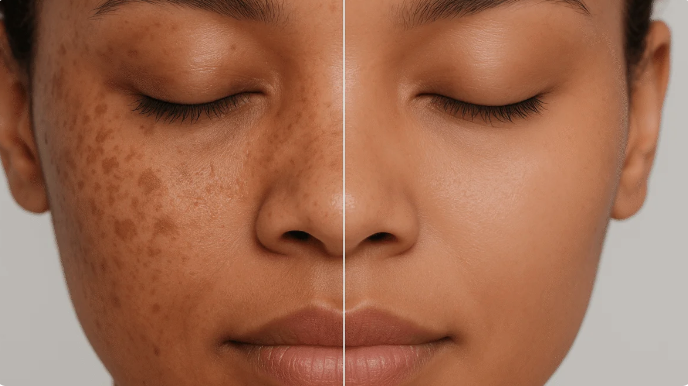
Dark spots can be frustrating — especially when they seem to linger long after acne heals, a rash fades, or a minor injury clears up.
For people with darkerskintones,hyperpigmentation is particularly common and often more stubborn. Even worse, using the wrong product can make the problem darker instead of better.
Hyperpigmentation can be treated safely and effectively in dark skin — as long as the right ingredients, routines, and expectations are followed.
In this article, we’ll explain why dark spots happen, why dark skin needs special care, and which treatments actually work without causing irritation or damage.
What Is Hyperpigmentation?
Hyperpigmentation occurs when certain areas of the skin produce too much melanin, the pigment responsible for skin colour. This results in dark patches or spots that appear darker than the surrounding skin.
Common forms include:
- Post-inflammatory hyperpigmentation (PIH) – dark marks left after acne, burns, insect bites, or rashes
- Melasma – patchy dark areas often triggered by hormones or sun exposure
- Sun spots – caused by prolonged sun exposure
In Kenya’s sunny climate, sun exposure is a major contributor, especially when the skin barrier is already irritated.
Why Dark Skin Is More Prone to Dark Spots
Melanin is protective, but it’s also reactive. In darker skin tones, melanocytes (pigment-producing cells) respond more aggressively to inflammation or injury.
This means:
- Acne is more likely to leave dark marks
- Harsh products can worsen pigmentation
- Over-exfoliation often leads to irritation and darker spots
That’s why treating hyperpigmentation in dark skin requires a gentle, consistent approach, not aggressive bleaching or harsh scrubs.
Common Mistakes That Make Dark Spots Worse
Many people unknowingly worsen hyperpigmentation by:
- Using strong bleaching creams without guidance
- Overusing exfoliants or acids
- Skipping sunscreen because they believe dark skin doesn’t burn
- Mixing too many active ingredients at once
Healthy fading takes time — quick fixes often backfire.
Ingredients That Treat Dark Spots Without Irritation
When choosing a dark spot cream, look for ingredients that brighten gradually and protect the skin barrier.
1. Niacinamide
Helps reduce dark spots, calm inflammation, and strengthen the skin barrier — ideal for sensitive and dark skin.
2. Vitamin C (Stabilised Forms)
Brightens skin tone and supports even complexion when used consistently and gently.
3. Alpha Arbutin
A safer alternative to harsh bleaching agents that reduces excess melanin production.
4. Gentle Exfoliants
Mild exfoliation helps fade dark spots over time without triggering irritation.
Daily Habits That Help Fade Hyperpigmentation
- Wear sunscreen daily, even indoors or on cloudy days
- Avoid picking acne or scratching irritated skin
- Keep skincare routines simple and consistent
- Moisturise well to protect the skin barrier
Sun protection is not optional — it’s essential for treating dark spots in Kenya’s climate.
Effective Products Available in Kenya
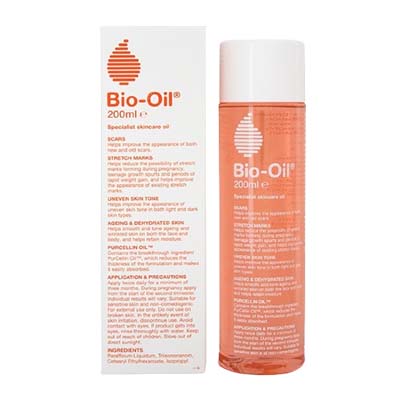
Below are trusted products available at Pharmily Limited Kenya that can help maintain, manage, and treat hyperpigmentation safely in dark skin.
1. Bio-Oil Skincare Oil
Bio-Oil is widely used to improve the appearance of dark spots, uneven skin tone, and scars. It helps nourish the skin and supports gradual fading without harsh irritation.
2. CeraVe Resurfacing Retinol Serum
This gentle retinol formula helps fade post-acne marks and dark spots while supporting the skin barrier with ceramides — making it suitable for darker skin when used correctly.
3. La Roche-Posay Anthelios Sunscreen
Sunscreen is essential for preventing existing dark spots from getting darker. This broad-spectrum sunscreen protects against UV damage without clogging pores.
How Long Does It Take to See Results?
Fading dark spots takes patience. Most people notice improvement within:
- 4–6 weeks for mild marks
- 8–12 weeks or longer for deeper pigmentation
Consistency matters more than intensity.
When to See a Healthcare Professional
Seek professional advice if:
- Dark spots worsen despite treatment
- Pigmentation appears suddenly or spreads quickly
- Skin becomes irritated, itchy, or painful
- You’re unsure which products are safe for your skin type
Hyperpigmentation is common, especially in darker skin tones — but it doesn’t have to be permanent. The key is gentle treatment, sun protection, and consistency.
By choosing the right products and avoiding harsh shortcuts, you can safely fade dark spots, restore even skin tone, and protect your skin’s natural beauty.
FAQs
Q. Can dark skin safely treat hyperpigmentation?
Yes. With the right ingredients and a gentle routine, hyperpigmentation in dark skin can be treated effectively.
Q. Do bleaching creams work better?
Not necessarily. Many bleaching creams cause irritation and rebound darkening. Gentle brightening works better long-term.
Q. Is sunscreen necessary for dark skin?
Absolutely. Sun exposure worsens hyperpigmentation, regardless of skin tone.
Q. How long should I use dark spot cream?
Most treatments require at least 6–12 weeks for visible results. Stopping too early may reverse progress.
Q. Can acne cause permanent dark spots?
If untreated or irritated repeatedly, acne marks can last a long time — but they are rarely permanent with proper care.