Fungal Skin Infections in Kenya: A Complete Guide to Prevention
by Maroa Noa · 17 Jul 2026
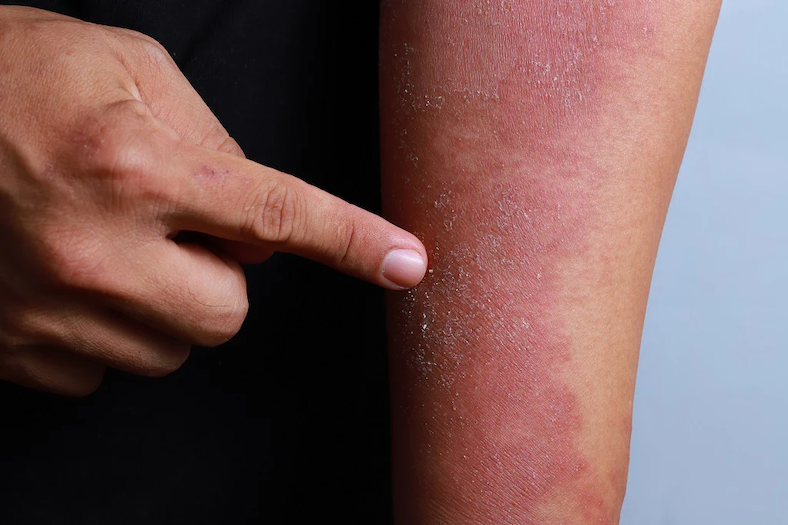
Understanding the most common fungal skin conditions and how to keep your skin protected
Kenya's warm, humid weather is a near-perfect environment for skin fungi to grow. From the coast to the highlands during rainy season, fungal skin infections are among the most common things our pharmacists help treat. This guide brings together the main fungal skin conditions, how to tell them apart, and simple steps to help prevent them.
Why Are Fungal Infections So Common Here?
The fungi behind these infections, mainly dermatophytes and a yeast called Malassezia, thrive in warm, moist conditions. Several everyday things in Kenya make infections more likely:
- High humidity, especially at the coast and during rainy seasons
- Heavy sweating from heat, physical work, or exercise
- Shared living spaces like schools, dormitories, and gyms
- Contact with livestock and pets
- Tight clothes and shoes worn for long hours
- Reusing sweaty clothes when laundry can't be done right away
The Main Types You Should Know
Tinea Versicolor
Caused by an overgrowth of a yeast that already lives on everyone's skin. Leaves patches of lighter or darker skin, usually on the chest, back, and neck, with a light scale. Not contagious. Treated with antifungal creams or washes like selenium sulfide or ketoconazole, with tablets only for larger cases.
Tinea Corporis (Ringworm of the Body)
A contagious infection that causes the classic ring-shaped, itchy, red rash with a clearer center. Spreads through skin contact, shared items, or infected pets. Clears well with antifungal creams like clotrimazole, terbinafine, or miconazole; tablets for bigger cases.
Tinea Pedis (Athlete's Foot)
Affects the feet, especially between the toes, causing itching, peeling skin, and sometimes a burning feeling. Loves sweaty shoes and shared wet areas like showers and pools. Treated with antifungal powders or creams; keeping feet dry is key to preventing it.
Tinea Cruris (Jock Itch)
Affects the groin and inner thighs, causing an itchy, red rash with a clear edge. More common in hot weather and in people who sweat a lot. Often happens alongside athlete's foot, since the same fungus can spread from the feet. Treated with antifungal cream, plus keeping the area dry.
Tinea Capitis (Scalp Ringworm)
Mainly affects children, causing patchy hair loss, flaking, and sometimes sore, swollen patches on the scalp. Creams usually can't reach deep enough into the hair follicle, so antifungal tablets from a doctor are usually needed.
|
One Fungus, Different Places It's common for the same fungus to show up in more than one spot at once, for example, athlete's foot spreading to cause jock itch. If you notice more than one affected area, mention this to your pharmacist, treating just one spot might not clear the whole infection. |
How These Infections Spread
- Skin-to-skin contact with someone who's infected
- Contact with infected pets or farm animals
- Sharing towels, clothes, combs, or bedding
- Walking barefoot in shared wet spaces like showers, pools, and locker rooms
- Wearing damp socks or shoes for too long
- Touching contaminated surfaces like gym equipment or salon tools
Everyday Habits That Help Prevent Them
- Dry your skin well after bathing or sweating, especially between toes and in skin folds
- Wear breathable fabrics like cotton where you can
- Change out of sweaty clothes and socks promptly
- Avoid sharing towels, combs, or clothes
- Wear sandals or flip-flops in shared showers, pools, and locker rooms
- Keep pets' skin and coat healthy, and get any unusual patches checked by a vet
- Wash clothes, towels, and bedding in hot water often, especially during an active infection
- Rotate your shoes so they have time to fully dry out
How These Are Usually Treated
Most localized fungal infections respond well to over-the-counter antifungal creams like clotrimazole, terbinafine, or miconazole, usually used for two to four weeks. Finishing the full course, even after symptoms improve, is important to stop it coming back.
Antifungal tablets are usually saved for infections that are widespread, affect the scalp or nails, haven't responded to cream, or occur in people with a weakened immune system. Because tablets can interact with other medicines and carry more side effects, they should only be used with guidance from a pharmacist or doctor.
When Should You See a Pharmacist or Doctor?
- A rash hasn't improved after two to three weeks of cream
- The infection is spreading or covers a large area
- The scalp, nails, or beard area is affected
- You have diabetes or a weakened immune system
- You're not sure if a skin change is fungal, bacterial, or something else
At Pharmily, our pharmacists can help figure out which type of fungal infection you're dealing with, recommend the right treatment, and help you prevent it coming back or spreading to family members.
Quick Recap
- Kenya's climate makes fungal skin infections especially common year-round
- Tinea versicolor, corporis, pedis, cruris, and capitis are all fungal but differ in where they show up and how contagious they are
- Keeping skin clean, dry, and avoiding shared items is the best defense
- Most infections clear with consistent antifungal cream over a few weeks
- Scalp involvement or widespread infection usually needs tablets
FAQs
Q. What is the best treatment for fungal skin infections?
Most mild fungal infections respond well to topical antifungal creams containing clotrimazole, terbinafine, or miconazole. More severe infections affecting the scalp, nails, or large areas may require prescription antifungal tablets.
Q. How long does treatment take?
Most skin fungal infections improve within 2 to 4 weeks when antifungal creams are used consistently. Continue treatment for the full recommended duration even if symptoms disappear earlier.
Q. Can fungal infections come back?
Yes. Recurrence is common if treatment is stopped too early or if moisture and hygiene issues are not addressed. Keeping the skin dry and avoiding shared personal items helps reduce the risk.
Q. Are fungal skin infections contagious?
Some are. Ringworm, athlete's foot, jock itch, and scalp ringworm can spread to other people or animals. Tinea versicolor is different—it results from an overgrowth of yeast naturally found on the skin and is not contagious.
Q. Can children get fungal skin infections?
Yes. Children commonly develop scalp ringworm (tinea capitis), especially in schools where close contact and sharing combs or hats occur. Medical treatment is usually required.
This article is for general educational purposes and does not replace professional medical advice. Please consult a pharmacist or doctor for diagnosis and treatment tailored to your specific situation.