H. pylori Treatment in Kenya (2026): Best Medications, Costs, Complete Regimens & Eradication Guide
by Maroa Noa · 21 May 2026
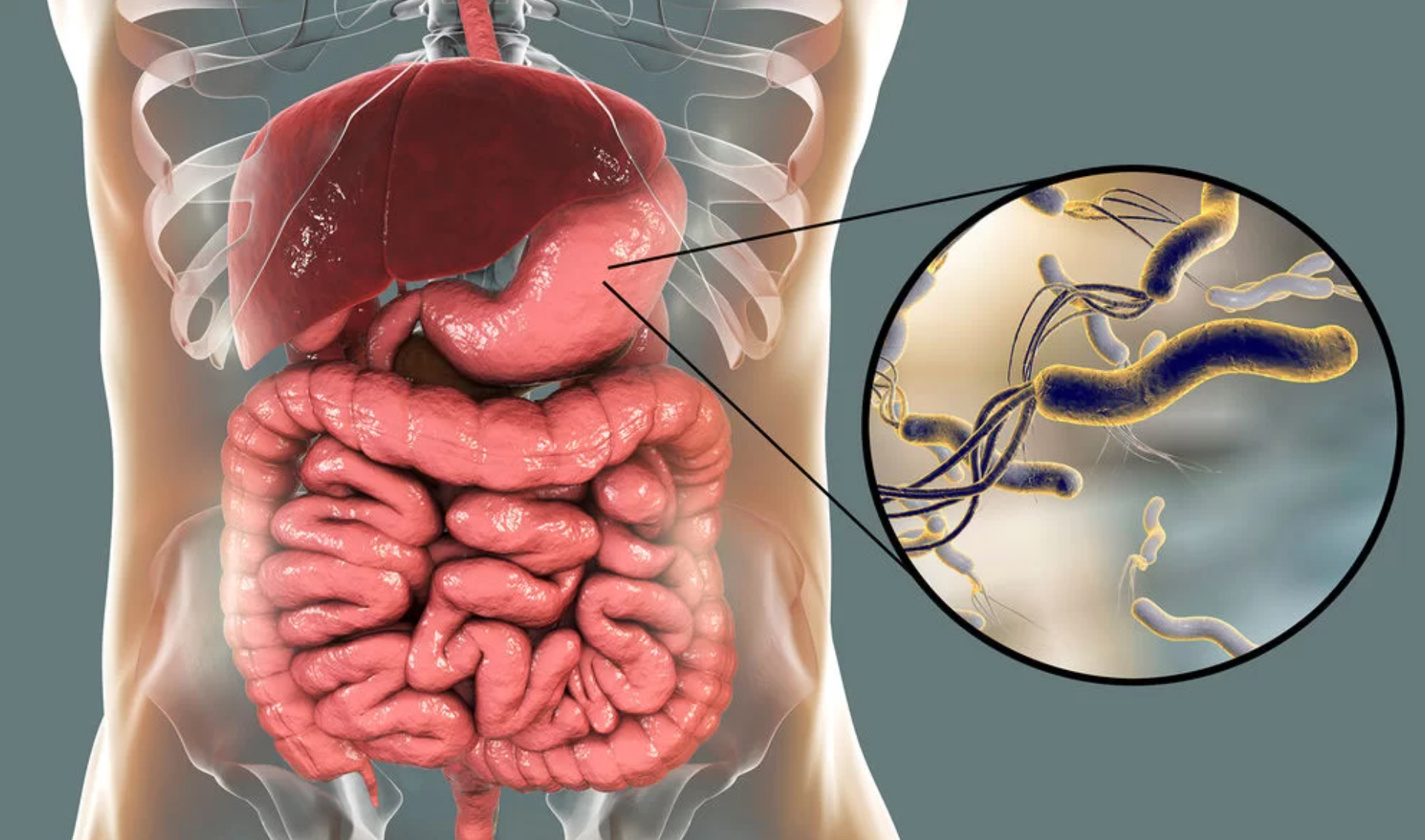
Helicobacter pylori infection affects an estimated 65–80% of adults in Kenya and East Africa, yet access to guideline-based eradication therapy remains inconsistent (Hooi et al., 2017).
Patients frequently receive incomplete regimens, outdated antibiotic combinations, or inadequate treatment duration, sometimes self-prescribed from pharmacy counters.
The consequence is rising antibiotic resistance, repeated treatment failures, and continued risk of peptic ulcer disease and gastric cancer.
For pharmacists, doctors, and clinical officers practising in Kenya, understanding the current evidence-based regimens, including which drugs, what doses, for how long, and at what cost, is essential for delivering effective care.
This article provides a comprehensive, practical 2026 treatment guide specifically contextualised for the Kenyan healthcare setting, aligned with the Maastricht VI/Florence Consensus Report (Malfertheiner et al., 2022) and the American College of Gastroenterology guidelines (Chey et al., 2017).
Why the Regimen Matters: The Antibiotic Resistance Context in Kenya
Choosing the right H. pylori regimen is not a one-size-fits-all decision; it depends critically on local antibiotic resistance patterns. In Kenya and sub-Saharan Africa:
- Metronidazole resistance: 50–80%, among the highest globally, driven by decades of empirical use for malaria, amoebiasis, and bacterial vaginosis (Mwangi et al., 2019). Despite this, metronidazole-containing regimens retain some efficacy when used in high doses (500mg TDS) and as part of quadruple therapy with bismuth.
- Clarithromycin resistance: 15–40% in sub-Saharan studies and increasing in urban Kenya, exceeding the Maastricht VI threshold of 15% above which clarithromycin-based triple therapy is no longer recommended as empirical first-line treatment.
- Amoxicillin resistance: <2% remains reliable; amoxicillin-containing regimens remain viable.
- Levofloxacin/fluoroquinolone resistance: increasing, particularly in urban settings, should not be used empirically as first-line treatment.
- Tetracycline resistance: <2%, reliable; tetracycline remains an effective component of bismuth quadruple therapy.
Given this resistance landscape, the Maastricht VI/Florence 2022 consensus recommends bismuth-containing quadruple therapy as the preferred empirical first-line regimen in high-resistance settings, a category that includes most of urban Kenya.
Recommended Treatment Regimens (2026)
First-Line Regimen: Bismuth Quadruple Therapy (Preferred in Kenya)
|
Drug |
Dose |
Frequency |
Duration |
Role in Regimen |
|
Omeprazole (or esomeprazole) |
20–40mg |
Twice daily (30–60 min before meals) |
14 days |
Raises gastric pH, essential for antibiotic efficacy |
|
Bismuth subcitrate (De-Nol) |
120mg |
Four times daily (before meals and at bedtime) |
14 days |
Topical bactericidal effect: protects mucosa; overcomes metronidazole resistance. |
|
Tetracycline HCl |
500mg |
Four times daily (with meals and at bedtime) |
14 days |
Antibiotics: very low resistance in Kenya |
|
Metronidazole |
400–500mg |
Three times daily |
14 days |
Antibiotic resistance is overcome by a high-dose + bismuth combination |
Table 1: Bismuth quadruple therapy, the recommended first-line H. pylori eradication regimen in Kenya (2026), per Maastricht VI/Florence 2022 guidelines. Eradication rates with 14-day bismuth quadruple therapy: 85–95% (Malfertheiner et al., 2022).
Alternative First-Line Regimen: Clarithromycin-Based Triple Therapy
Standard triple therapy may still be prescribed by clinicians in Kenya and remains appropriate where local clarithromycin susceptibility is confirmed or where bismuth is unavailable. It should NOT be used empirically in areas with clarithromycin resistance ≥15%.
|
Drug |
Dose |
Frequency |
Duration |
|
Omeprazole (or esomeprazole) |
20mg |
Twice daily |
10–14 days |
|
Clarithromycin |
500mg |
Twice daily |
10–14 days |
|
Amoxicillin |
1000mg (1g) |
Twice daily |
10–14 days |
Table 2: Clarithromycin-based triple therapy, an alternative regimen where clarithromycin resistance is confirmed to be low (<15%). Eradication rates: 70–85% in low-resistance settings; significantly lower where resistance is high.
H. pylori Eradication Kits Available in Kenya
All kits follow a triple-therapy model: two antibiotics plus one proton pump inhibitor (PPI). Each box contains 7 individual daily strips (one per day), and treatment runs for 7–14 days, depending on the prescriber's choice. A PPI maintenance dose for 4–8 weeks post-kit is generally recommended to support mucosal healing.
1. Esclam Kit (Cipla Kenya) — First-Line
Composition per strip: Clarithromycin 500 mg + Amoxicillin 1,000 mg + Esomeprazole 20 mg. Each strip contains 2 tablets of each component. A day's therapy uses two strips — one in the morning and one in the evening.
Dosing: One strip twice daily (BD) with meals for 7–14 days.
Role of each component: Clarithromycin (macrolide) and Amoxicillin (penicillin) eradicate the organism; Esomeprazole suppresses acid to create a bactericidal microenvironment and promote ulcer healing.
Note: Contraindicated in penicillin allergy. Clarithromycin resistance is an emerging concern locally — treatment failure should prompt a switch to a salvage regimen.
2. Pylotrip Kit (Square Pharmaceuticals)
Composition per strip: Amoxicillin 1,000 mg + Clarithromycin 500 mg + Lansoprazole 30 mg.
Dosing: One strip twice daily for 7–14 days, or as directed by the prescriber.
Difference from Esclam: Uses Lansoprazole (rather than Esomeprazole) as the PPI. The antibacterial backbone is otherwise identical. Lansoprazole 30 mg BD provides comparable acid suppression to Esomeprazole 20 mg BD.
3. Pylokit (Cipla Kenya) — Penicillin-Allergy Alternative
Composition per strip: Tinidazole 500 mg + Clarithromycin 250 mg + Lansoprazole 30 mg.
Dosing: One strip twice daily for 7–14 days.
Clinical positioning: Cipla positions this kit as the preferred option for patients who are allergic to Amoxicillin and cannot use the other available kits in Kenya. Tinidazole (a nitroimidazole) replaces the penicillin component.
Key caution: Tinidazole causes a disulfiram-like reaction with alcohol - patients must be counselled to avoid alcohol completely during the entire course. Symptoms can include excessive nausea, drowsiness, chest pain, and breathing difficulty.
4. Sure Kit
Composition per strip: Lansoprazole 30 mg + Clarithromycin 500 mg + Tinidazole 500 mg.
Dosing: The typical dosage is one tablet of each component taken twice daily for 7–14 days, taken with food to reduce stomach irritation.
Clinical positioning: Like Pylokit, this is a Tinidazole-based (penicillin-free) triple therapy, making it appropriate for penicillin-allergic patients. It differs from Pylokit in that Clarithromycin is dosed at 500 mg (vs 250 mg in Pylokit), matching the WHO/Maastricht-recommended dose.
5. Esclam-Variant / Laekit Kit
Composition per strip: Lansoprazole 30 mg + Clarithromycin 500 mg + Amoxicillin 500 mg. The typical dosage is one Lansoprazole capsule, one Clarithromycin tablet, and two Amoxicillin capsules taken twice daily for 7–14 days.
Note: Some Laekit formulations may carry Amoxicillin + Clarithromycin + Lansoprazole at slightly different pack configurations depending on the manufacturer batch. Always verify the strip label.
6. Esose HP Kit (Glenmark Kenya) — Salvage / Second-Line
Composition per strip: Esomeprazole 40 mg + Levofloxacin 500 mg + Amoxicillin 1,000 mg (as 2 × 500 mg tablets). One strip is taken in the morning, and the same dose is repeated in the evening.
Dosing: One strip twice daily for 7–14 days.
Clinical positioning: This kit represents a newer model of treating H. pylori, especially for individuals who have experienced treatment failure when using Clarithromycin- or Tinidazole-based kits. Levofloxacin is a fluoroquinolone — it inhibits DNA gyrase and topoisomerase IV, acting as a bactericide.
Note: Levofloxacin-based regimens are reserved for second-line use in guidelines (Maastricht VI / ACG). Fluoroquinolones carry a risk of tendinopathy and QT prolongation, and should be avoided in pregnancy.
Second-Line Regimen: After First-Line Failure
|
Scenario |
Recommended Second-Line Regimen |
Duration |
|
Failed clarithromycin triple therapy |
Bismuth quadruple therapy (as above) |
14 days |
|
Failed bismuth quadruple therapy |
Levofloxacin triple therapy: PPI (standard dose BD) + levofloxacin 500mg OD + amoxicillin 1g BD |
14 days |
|
Two prior failures |
Refer for upper GI endoscopy → culture and sensitivity testing → culture-guided therapy. |
Depends on the sensitivity result |
Table 3: Recommended second-line and salvage H. pylori eradication regimens per Maastricht VI 2022. Note: levofloxacin-based regimens should only be used where local fluoroquinolone resistance is known to be low.
How to Take the Medications: Patient Counselling Points
Correct administration is as important as choosing the right regimen. Incorrect timing or co-administration can reduce efficacy substantially:
|
Drug |
When to Take |
Key Interaction / Warning |
|
Omeprazole / Esomeprazole |
30–60 minutes BEFORE breakfast and before dinner |
Take on an empty stomach for maximal acid suppression; do not take with food. |
|
Bismuth subcitrate (De-Nol) |
30 minutes before each of 3 meals + at bedtime (4 times daily) |
May cause black stools and black tongue, harmless; separate from milk and antacids |
|
Tetracycline |
With meals, 4 times daily |
Avoid dairy, calcium, antacids, and iron within 2 hours; chelation reduces absorption; causes photosensitivity; contraindicated in pregnancy. |
|
Metronidazole |
With meals, 3 times daily |
Absolutely NO alcohol during treatment or 48 hours after (severe disulfiram reaction); metallic taste is expected |
|
Clarithromycin |
With or without food, twice daily |
Do not use with statins (simvastatin, lovastatin), rhabdomyolysis risk; check for QTc-prolonging drug interactions. |
|
Amoxicillin |
With or without food, twice daily |
A history of penicillin allergy is an absolute contraindication; document allergy status before prescribing. |
|
Levofloxacin |
Once daily, with water, any time |
Avoid antacids/iron/zinc within 2 hours (reduced absorption); Achilles tendon rupture risk, stop if tendon pain develops; avoid in pregnancy. |
Table 6: Administration guidance and key drug interactions for H. pylori eradication regimen components.
Confirming Eradication: Test-of-Cure
All patients who complete H. pylori eradication therapy should be tested to confirm that the infection has been cleared. This is a guideline recommendation (Malfertheiner et al., 2022) that is routinely underperformed in Kenya:
- When to test: at least 4 weeks after completing the antibiotic course AND at least 2 weeks after stopping PPIs; testing earlier produces false-negative results due to bacterial suppression
- Preferred tests in Kenya: stool H. pylori antigen test (most practical, widely available at reference labs) or urea breath test (available at select centres)
- Do NOT use serology (blood H. pylori antibody) for test-of-cure, antibodies persist for months to years after successful eradication, making serology unable to confirm clearance
- A negative post-treatment stool antigen test confirms successful eradication
- A positive post-treatment stool antigen test confirms treatment failure, requires a different second-line regimen, not a repeat of the same drugs
|
💊 Medication Tips & Counselling Points
|
|
🩺 When to See a Doctor
|
Frequently Asked Questions
1. Can I buy H. pylori treatment at a pharmacy without a prescription in Kenya?
The individual drugs in H. pylori eradication regimens, omeprazole, metronidazole, amoxicillin, and tetracycline, are available over the counter at most Kenyan pharmacies. However, purchasing and self-administering these drugs without proper H. pylori testing and professional guidance is strongly discouraged. The reason is straightforward: using antibiotics without confirmed H. pylori infection, or using the wrong combination, contributes to antibiotic resistance without achieving eradication. Pharmacists play a critical role here, by counselling patients about the importance of testing before treatment, the necessity of completing the full course, and by recommending appropriate referral for diagnosis. Dispensing individual antibiotics piecemeal (e.g., just metronidazole alone) for suspected H. pylori is not appropriate practice.
2. Is the bismuth-containing regimen available in all Kenyan pharmacies?
Bismuth subcitrate (De-Nol 120mg tablets) is available in Kenya but is less universally stocked than other medications in the regimen. It is most reliably found at larger urban pharmacies, hospital dispensaries, and pharmacy chains. When it is unavailable, some clinicians prescribe clarithromycin-based triple therapy as a pragmatic substitute, though this must be weighed against local clarithromycin resistance rates. Pharmacists who regularly manage dyspeptic patients should consider maintaining a reliable stock of bismuth subcitrate given its role as the cornerstone of the preferred first-line regimen. Patients should be counselled to source the full quadruple regimen before starting, rather than beginning an incomplete course.
3. Are there any interactions between H. pylori treatment drugs and commonly used medications in Kenya?
Yes, several important interactions apply. Clarithromycin significantly inhibits CYP3A4 and should not be combined with simvastatin or lovastatin (risk of rhabdomyolysis) or with certain antiretrovirals. In patients on antiretroviral therapy for HIV, relevant in Kenya given high HIV prevalence, drug interactions with clarithromycin and levofloxacin require careful review. Metronidazole can increase the anticoagulant effect of warfarin. Tetracycline has major interactions with dairy, antacids, and iron/calcium supplements. Omeprazole and esomeprazole can reduce the efficacy of clopidogrel through CYP2C19 inhibition, relevant for patients on antiplatelet therapy. Pharmacists reviewing H. pylori prescriptions should screen for these interactions as part of dispensing practice.
4. What if I cannot afford the full bismuth quadruple therapy course?
Cost is a real barrier for many patients in Kenya, particularly given that bismuth subcitrate (De-Nol) is the most expensive component of the regimen. Practical options when cost is a constraint: (1) Clarithromycin-based triple therapy is substantially cheaper (KES 1,500–2,500) and may be considered where local clarithromycin resistance is likely low. Discuss with your prescriber. (2) Generic substitution: insist on KEBS-approved generic equivalents for omeprazole, metronidazole, tetracycline, and amoxicillin; these can reduce costs significantly. (3) NHIF (National Health Insurance Fund) and Linda Mama coverage: some H. pylori diagnostic testing and treatments may be partially covered; check with your facility. (4) Community health facilities and mission hospitals may have lower dispensing costs for generic antibiotics than private pharmacies. Incomplete treatment is always worse than a cheaper complete alternative. Discuss options with your pharmacist or doctor.
5. How do I know if H. pylori treatment in children is the same as in adults?
No, paediatric H. pylori management differs from adults in several important ways. The indications for treatment in children are more selective: current guidelines (ESPGHAN/NASPGHAN 2017) recommend a 'test and treat' strategy only for children with confirmed peptic ulcer disease, not for all H. pylori-positive children. Tetracycline is contraindicated in children under 12 years due to effects on bone and tooth development. Levofloxacin is generally avoided in children due to musculoskeletal concerns. Paediatric dosing for amoxicillin, clarithromycin, and metronidazole is weight-based. First-line therapy in children is typically sequential therapy or clarithromycin-based triple therapy based on susceptibility testing. Any child with H. pylori-related symptoms or confirmed infection should be assessed by a clinician experienced in paediatric gastroenterology for appropriate regimen selection.
References
- Chey, W. D., Leontiadis, G. I., Howden, C. W., & Moss, S. F. (2017). ACG clinical guideline: Treatment of Helicobacter pylori infection. American Journal of Gastroenterology, 112(2), 212–239. https://doi.org/10.1038/ajg.2016.563
- European Medicines Agency. (2023). Bismuth subcitrate: Summary of product characteristics. EMA.
- Hooi, J. K. Y., Lai, W. Y., Ng, W. K., Suen, M. M. Y., Underwood, F. E., Tanyingoh, D., Malfertheiner, P., Graham, D. Y., Wong, V. W. S., Wu, J. C. Y., Chan, F. K. L., Sung, J. J. Y., Kaplan, G. G., & Ng, S. C. (2017). Global prevalence of Helicobacter pylori infection: Systematic review and meta-analysis. Gastroenterology, 153(2), 420–429. https://doi.org/10.1053/j.gastro.2017.04.022
- Jones, N. L., Koletzko, S., Goodman, K., Bontems, P., Cadranel, S., Casswall, T., … & ESPGHAN/NASPGHAN H. pylori Working Group. (2017). Joint ESPGHAN/NASPGHAN guidelines for the management of Helicobacter pylori in children and adolescents (update 2016). Journal of Pediatric Gastroenterology and Nutrition, 64(6), 991–1003. https://doi.org/10.1097/MPG.0000000000001594
- Malfertheiner, P., Megraud, F., Rokkas, T., Gisbert, J. P., Liou, J. M., Schulz, C., … & European Helicobacter and Microbiota Study Group. (2022). Management of Helicobacter pylori infection: The Maastricht VI/Florence consensus report. Gut, 71(9), 1724–1762. https://doi.org/10.1136/gutjnl-2022-327745
- Mwangi, C., Karimi, F., Njoroge, P., & Mwathi, R. (2019). Antibiotic resistance patterns of Helicobacter pylori isolates from patients attending referral hospitals in Nairobi, Kenya. East African Medical Journal, 96(5), 2061–2068.
- Rugge, M., Sugano, K., Scarpignato, C., Sacchi, D., & Oblitas Lozada, W. (2020). H. pylori eradication in the era of antibiotic resistance. Therapeutic Advances in Gastroenterology, 13, 1–15. https://doi.org/10.1177/1756284820
- World Health Organisation. (2021). WHO global priority list of antibiotic-resistant bacteria to guide research, discovery, and development of new antibiotics. WHO. https://www.who.int/publications/i/item/WHO-EMP-IAU-2017.12
Disclaimer: This article is intended for educational purposes only and does not constitute medical advice. Drug availability and costs are estimates based on 2026 Kenyan market data and are subject to change. Always consult a qualified healthcare professional before prescribing or starting any eradication therapy.