Over-Exfoliation Damage: Signs Your Skincare Routine Is Too Aggressive
by Maroa Noa · 23 May 2026
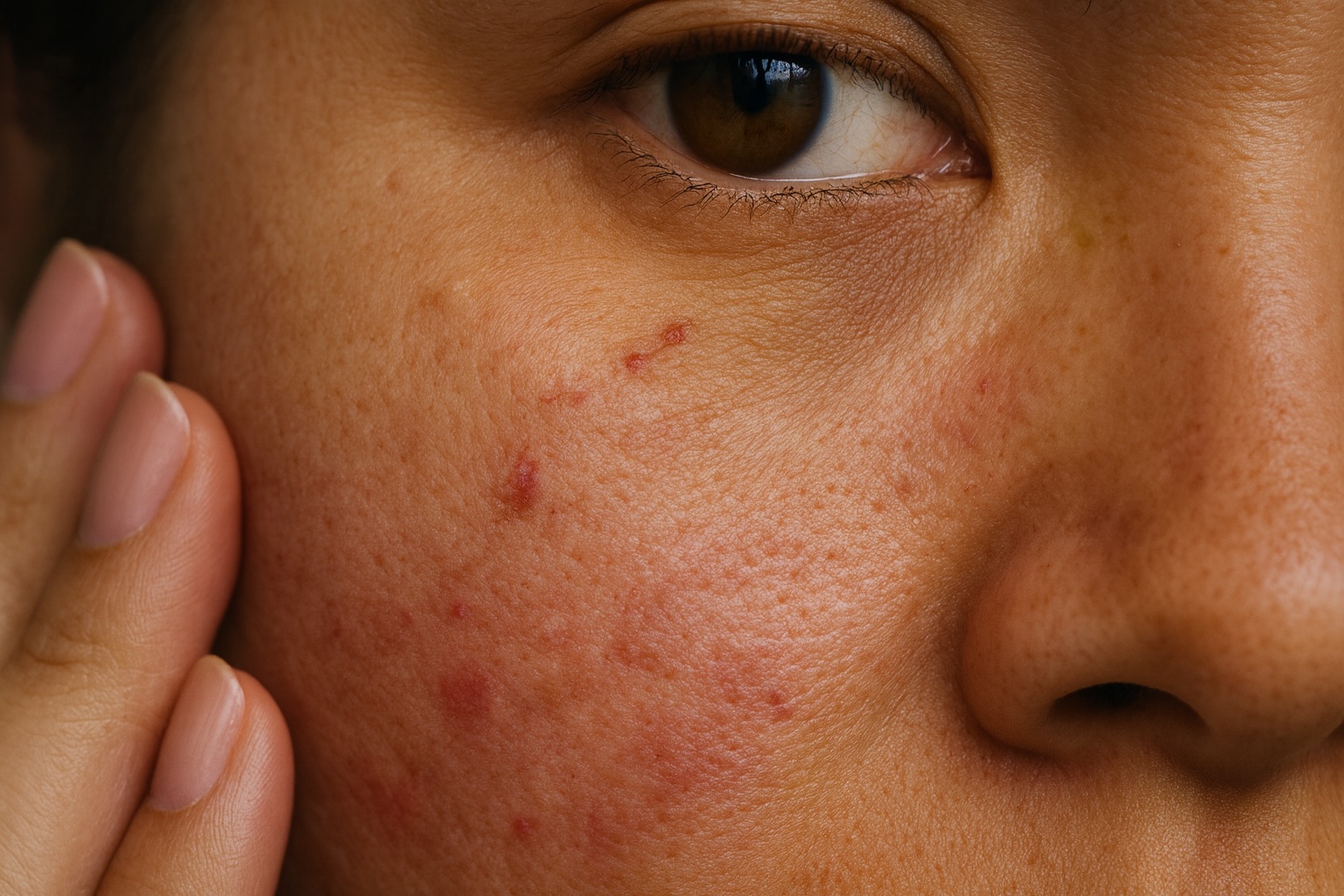
In the pursuit of smooth, glowing skin, it is easy to fall into the trap of doing too much. From exfoliating acids and retinol serums to scrubs and acne treatments, modern skincare routines often involve multiple active ingredients layered together in the hope of achieving faster results. Unfortunately, when the skin is pushed beyond its limits, the result can be over-exfoliation damage.
If your skin suddenly feels tight, irritated, shiny, flaky, sensitive, or constantly inflamed, your skincare routine may be too aggressive.
While exfoliation can improve texture, brighten the complexion, and help unclog pores, excessive exfoliation weakens the skin barrier and may trigger more breakouts, redness, and discomfort, rather than healthier skin.
The good news is that over-exfoliated skin can recover. With a gentler routine and the right products, the skin barrier can heal and return to a healthier balance.
This guide explains the signs of over-exfoliation, common causes, and how to repair damaged skin using dermatologist-recommended skincare products available from Pharmily Kenya.
What Is Over-Exfoliation?
Over-exfoliation occurs when the skin’s protective barrier is damaged by excessive use of exfoliating products or harsh skincare practices. Exfoliation is meant to remove dead skin cells and support skin renewal, but too much of it strips away essential oils and disrupts the skin’s natural defence system.
The skin barrier plays an important role in maintaining hydration, protecting against bacteria, and reducing irritation. Once compromised, the skin becomes more reactive and vulnerable to inflammation.
Common signs of over-exfoliation include:
- Persistent redness
- Tight or uncomfortable skin
- Burning or stinging sensations
- Flaking and peeling
- Increased breakouts
- Excessive oiliness despite dryness
- Sensitivity to products that previously caused no issues
- Shiny, thin-looking skin
Many people mistake these symptoms for acne or dryness and continue using strong treatments, which only worsens the problem.
Common Causes of Over-Exfoliation Damage
Using Too Many Active Ingredients Together
Combining products containing salicylic acid, glycollic acid, lactic acid, retinol, benzoyl peroxide, or vitamin C can overwhelm the skin barrier, especially when used daily.
Exfoliating Too Frequently
Daily exfoliation is unnecessary for most people. Overusing chemical exfoliants or scrubs prevents the skin from recovering properly between treatments.
Harsh Physical Scrubs
Scrubs with coarse particles such as walnut shell or sugar crystals may create tiny tears in the skin, increasing irritation and inflammation.
Overusing Retinoids
Retinol and prescription retinoids are highly effective ingredients for acne and anti-aging concerns, but introducing them too quickly can lead to peeling, burning, and sensitivity.
Over-Cleansing
Washing the face multiple times a day or using harsh cleansers strips away natural oils and weakens the skin barrier.
Frequent Professional Treatments
Chemical peels, microdermabrasion, and aggressive facials can also contribute to barrier damage when performed too often.
Signs Your Skincare Routine Is Too Aggressive
Your Skin Burns or Stings
One of the clearest warning signs is a burning sensation when applying products. Even gentle moisturisers may suddenly sting if the barrier is compromised.
Persistent Redness
Temporary redness after exfoliation can happen occasionally, but ongoing redness is often a sign of inflammation.
Increased Breakouts
Ironically, over-exfoliation can worsen acne. Damaged skin becomes inflamed and may produce more oil, contributing to clogged pores and irritation.
Flaking and Peeling
Visible peeling is a common indicator that the skin barrier is struggling to retain moisture.
Excessive Oiliness
When skin becomes dehydrated, it may compensate by producing more sebum, leaving the skin oily yet tight at the same time.
Heightened Sensitivity
Over-exfoliated skin often reacts more strongly to sunlight, heat, fragrance, and previously tolerated skincare products.
How to Repair Over-Exfoliated Skin
The first step in recovery is simplifying your skincare routine. Rather than adding more treatments, focus on supporting and repairing the skin barrier.
Stop Exfoliating Temporarily
Pause all exfoliating acids, retinoids, scrubs, and acne treatments for at least one to two weeks, depending on the severity of irritation.
Use a Gentle Cleanser
Choose a fragrance-free cleanser that removes dirt and oil without stripping the skin.
Recommended Product:
- CeraVe Hydrating Cleanser - This non-foaming cleanser contains ceramides and hyaluronic acid to help cleanse while supporting the skin barrier. It is suitable for sensitive and over-exfoliated skin.
- La Roche-Posay Toleriane Dermo-Cleanser - A soothing cleanser designed for reactive skin that helps reduce irritation while gently removing impurities.
Prioritize Barrier-Repair Moisturizers
Hydration is essential during skin recovery. Look for moisturisers containing ceramides, hyaluronic acid, niacinamide, glycerin, or panthenol.
Recommended Product:
- CeraVe Moisturising Cream – This rich ceramide-based moisturiser helps restore and strengthen the skin barrier while reducing dryness and irritation.
- La Roche-Posay Cicaplast Baume B5+ – Formulated with panthenol and madecassoside, this soothing balm helps calm redness, peeling, and discomfort associated with over-exfoliation.
- La Roche-Posay Toleriane Sensitive Fluide – This moisturiser hydrates sensitive skin without clogging pores or feeling heavy.
Protect Your Skin With Sunscreen
Over-exfoliated skin is far more vulnerable to sun damage and post-inflammatory hyperpigmentation. Daily sunscreen is essential, even indoors.
Recommended Product:
- La Roche-Posay Anthelios UVMune 400 Invisible Fluid SPF50+ – This lightweight sunscreen provides high broad-spectrum protection while remaining suitable for sensitive and irritated skin.
Avoid Common Recovery Mistakes
While your skin heals, avoid:
- Physical scrubs
- Multiple active ingredients
- Hot water
- Alcohol-heavy products
- Fragranced skincare
- Picking peeling skin
- Excessive cleansing
Less is often more when repairing a damaged skin barrier.
How Long Does Recovery Take?
Mild over-exfoliation may improve within several days to two weeks. More severe barrier damage can take several weeks or even months to fully heal, especially if strong products continue to be used.
Patience and consistency are important. Constantly changing products or introducing new actives too early may delay healing.
When to See a Dermatologist
Professional help may be necessary if:
- Redness and irritation persist for several weeks
- Your skin becomes painful or swollen
- Breakouts become severe
- You suspect eczema or another skin condition
- Over-the-counter products are not helping
A dermatologist can recommend prescription treatments and help identify which ingredients may be causing irritation.
Exfoliation can be beneficial, but healthy skin is about balance — not aggression. Skin that feels constantly tight, inflamed, peeling, or reactive is often a sign that the barrier has been pushed too far.
Instead of chasing rapid results with stronger products and frequent exfoliation, focus on consistency, hydration, and barrier support. A simple routine built around gentle cleansing, moisturising, and daily sunscreen is often the most effective long-term approach.
With patience and the right skincare products, over-exfoliated skin can recover and regain its healthy, balanced appearance.
FAQs
Q: What does over-exfoliated skin look like?
Over-exfoliated skin often appears red, shiny, flaky, irritated, or unusually sensitive. Some people also experience increased breakouts, peeling, tightness, or a burning sensation when applying skincare products.
Q: Can over-exfoliation cause acne?
Yes. Although exfoliation is commonly used to treat acne, excessive exfoliation can damage the skin barrier and trigger inflammation, excess oil production, and clogged pores, all of which may worsen breakouts.
Q: How long does it take for over-exfoliated skin to heal?
Recovery time depends on the severity of the damage. Mild cases may improve within a few days to two weeks, while more severe skin barrier damage can take several weeks or even months to fully recover.
Q: Should I stop using retinol if my skin is irritated?
If your skin is burning, peeling, or extremely sensitive, it is usually best to pause retinol temporarily and focus on repairing the skin barrier. Once your skin has recovered, retinol can often be reintroduced slowly and carefully.
Q: What ingredients help repair a damaged skin barrier?
Ingredients such as ceramides, hyaluronic acid, niacinamide, glycerin, and panthenol are commonly recommended for supporting skin barrier repair and hydration.
Q: Can oily skin become over-exfoliated?
Absolutely. Oily skin can still become dehydrated and irritated from excessive exfoliation. In fact, over-exfoliation may cause oily skin to produce even more sebum as the skin tries to compensate for moisture loss.