Persistent Body Odor: Sweat, Diet, or Infection-Related Causes Explained
by Maroa Noa · 24 Feb 2026

Everyone sweats — it’s normal and healthy. But when body odor becomes persistent, strong, or unusual, it can be uncomfortable, embarrassing, and even distressing.
If regular bathing and deodorant don’t seem to help, there may be more going on beneath the surface.
Persistent body odor is not always about poor hygiene. In many cases, it’s linked to how your body sweats, what you eat, or underlying infections. Understanding the cause is the first step toward finding an effective and lasting solution.
This guide explains the real causes of body odor, how to manage it safely, and the best deodorant and hygiene solutions available in Kenya.
What Actually Causes Body Odor?
Here’s an important truth: sweat itself is odorless. The smell develops when sweat mixes with bacteria on the skin.
Your body has two main types of sweat glands:
- Eccrine glands, which regulate temperature
- Apocrine glands, found in areas like the armpits and groin, which produce thicker sweat that bacteria love
When bacteria break down this sweat, unpleasant odors develop — and sometimes they linger.
Sweat-Related Causes of Persistent Body Odor
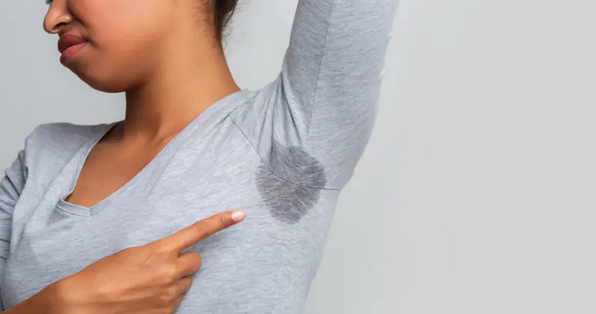
Excessive Sweating (Hyperhidrosis)
People who sweat more than average create a moist environment where odor-causing bacteria thrive. This can lead to constant body odor even after bathing.
Poor Air Circulation
Tight clothing, synthetic fabrics, and hot weather can trap sweat and bacteria, worsening odor — a common issue in warm climates like Kenya.
Diet-Related Causes of Body Odor
What you eat can directly influence how you smell.
Foods That Can Worsen Body Odor
- Garlic and onions
- Red meat
- Alcohol
- Spicy foods
- Processed foods
These foods contain compounds that are released through sweat, altering body scent.
Hydration Matters
Not drinking enough water concentrates sweat, making odors stronger and harder to control.
Infection-Related Causes of Body Odor
If body odor has a strong, unusual, or persistent smell, it may be due to an infection.
Bacterial Skin Infections
These can cause foul-smelling sweat, redness, and irritation, especially in skin folds.
Fungal Infections
Common in the feet, groin, and armpits, fungal infections often cause a musty or sour odor that doesn’t improve with deodorant alone.
When to Suspect Infection
- Odor persists despite good hygiene
- Itching, redness, or peeling skin is present
- The smell is unusually strong or different
In these cases, medical treatment is essential.
How to Effectively Manage and Prevent Persistent Body Odor
1. Maintain Proper Hygiene: Daily bathing with antibacterial soap helps reduce odor-causing bacteria.
2. Choose the Right Deodorant: Antiperspirants reduce sweat production, while deodorants neutralize odor. For persistent odor, antiperspirants are often more effective.
3. Wear Breathable Clothing: Cotton and moisture-wicking fabrics allow sweat to evaporate instead of being trapped.
4. Treat Underlying Infections Promptly: Ignoring fungal or bacterial infections allows odor to persist and worsen.
Products Available at Pharmily Limited Kenya That Can Help
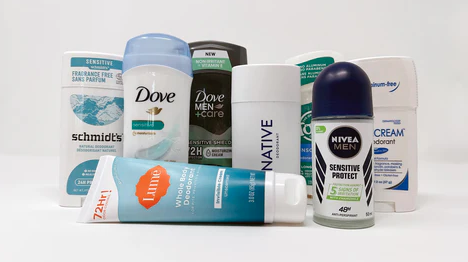
Below are trusted products available at Pharmily Limited Kenya that help control, manage, and treat persistent body odor, depending on the cause.
1. Dettol Antibacterial Bar Soap
This is a household name trusted by millions for its reliable protection against germs and bacteria. Infused with Dettol’s signature antiseptic formula, this soap is ideal for everyday use, helping to keep your skin clean, healthy, and infection-free.
2. Nivea Men Dry Impact Antiperspirant Deodorant
Niva Men Dry Impact Deo is designed for men who want long-lasting protection combined with premium skin care. Inspired by the classic NIVEA Creme, this anti-perspirant offers 48 hours of effective sweat and odour control, ensuring you stay dry, fresh, and confident throughout the day.
3. Canesten Antifungal Cream
An effective treatment for fungal infections that cause persistent odor in areas such as the feet, groin, and underarms. It contains Clotrimazole 1%, a potent antifungal ingredient that kills fungi at the source, preventing the spread of infection and promoting faster healing
4. Now Chlorophyll 100mg Caps
Now Chlorophyll 100mg Caps 90’s is a natural supplement designed to support detoxification, promote fresh breath, and enhance overall well-being. Chlorophyll, the green pigment found in plants, is known for its powerful cleansing properties that help remove toxins from the body while supporting digestive and immune health.
When Should You See a Doctor?
Seek medical advice if:
- Body odor persists despite proper hygiene
- There is itching, pain, redness, or skin changes
- The odor is sudden, strong, or unusual
- You suspect an underlying infection
Persistent odor may be a sign of a treatable medical condition.
Persistent body odor can affect confidence and daily life, but it is manageable once the cause is understood. Whether it’s related to sweat, diet, or infection, the right combination of hygiene, lifestyle changes, and targeted treatment can make a significant difference.
With trusted solutions available at Pharmily Limited Kenya, managing body odor doesn’t have to be overwhelming. The key is knowing when to mask odor — and when to treat the underlying cause.
FAQs
Q. What is the most common cause of persistent body odor?
The most common cause is bacteria breaking down sweat, especially in people who sweat excessively.
Q. Can diet really affect body odor?
Yes. Certain foods release odor-producing compounds that exit the body through sweat.
Q. Is deodorant enough to control body odor?
Mild odor may respond to deodorant, but persistent odor often requires antiperspirants or medical treatment.
Q. What is the best deodorant in Kenya for strong body odor?
Antiperspirants like Nivea Dry Impact are effective for controlling sweat and odor when used consistently.
Q. Can infections cause bad body odor?
Absolutely. Fungal and bacterial infections are common causes of strong, persistent odor and require treatment