Recurring Heartburn Without Pain: Silent Reflux Symptoms Office Workers Ignore
by Maroa Noa · 24 Mar 2026

You may think heartburn is the only sign of acid reflux, but many office workers experience silent reflux — a condition where stomach acid irritates the throat and upper airway without the classic burning sensation.
You might notice subtle symptoms like throat clearing, hoarseness, or a sour taste in your mouth and dismiss them as stress or dehydration.
Unfortunately, ignoring these signs can lead to long-term complications if not addressed.
Silent reflux, also called laryngopharyngeal reflux (LPR), is particularly common among adults with sedentary jobs and irregular eating patterns.
Long hours at a desk, poor posture, and skipped meals create the perfect environment for acid to flow upward from the stomach.
The good news is that with early recognition, lifestyle adjustments, dietary changes, and, when necessary, medical support, you can manage these symptoms effectively.
This article explores the causes, symptoms, and prevention strategies for silent reflux, specifically tailored for busy office workers.
What Is Silent Reflux?
Silent reflux, or laryngopharyngeal reflux (LPR), is a type of acid reflux where stomach contents move upward into the esophagus and throat without causing typical heartburn pain.
Unlike gastroesophageal reflux disease (GERD), which often causes chest burning, silent reflux may not trigger any obvious discomfort in the stomach or chest.
Despite the absence of pain, this reflux can irritate the delicate tissues of the throat, larynx, and vocal cords.
Chronic exposure to acid can lead to inflammation, coughing, and voice changes over time. Because the symptoms are subtle, many people continue working while unknowingly aggravating the condition.
Common Silent Reflux Symptoms Office Workers Often Ignore
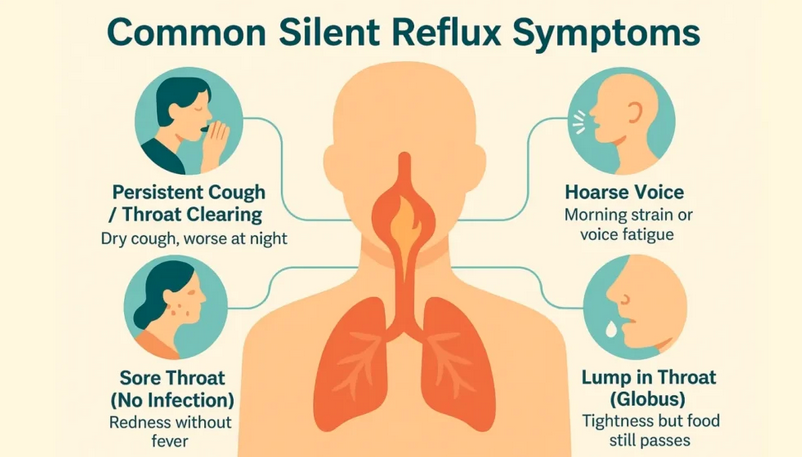
Silent reflux manifests in ways that are easy to overlook, especially when you’re busy at work. These subtle signs often appear after meals or during stressful periods. Recognizing them early is key to preventing long-term damage.
Throat Clearing and Hoarseness
Frequent throat clearing or unexplained hoarseness can be an early sign of acid irritation. The refluxed acid inflames the vocal cords, causing persistent clearing or a raspy voice, which is often mistaken for a minor cold or allergy.
Chronic Cough or Tickling Sensation
A lingering cough, especially one that worsens in the morning or after meals, may result from acid touching the throat. Many office workers ignore it as a dry environment or stress-related irritation, yet it can be a hallmark of silent reflux.
Sour or Bitter Taste in the Mouth
An unusual sour or bitter taste after meals is often caused by small amounts of stomach acid reaching the back of the throat or mouth. This can occur without any chest pain, making it easy to misattribute to poor dental hygiene or diet.
Difficulty Swallowing or Lump Feeling
Some people experience a sensation of a lump in the throat (globus sensation) or mild difficulty swallowing. While it rarely signals a serious obstruction, it is often an early warning of LPR.
Frequent Clearing or Sensation of Irritation After Eating
This often coincides with lunch at the desk or a high-fat snack. Office workers may ignore it because it seems temporary, but repeated irritation over months can inflame the esophagus and throat tissues.
Causes and Triggers in Office Workers
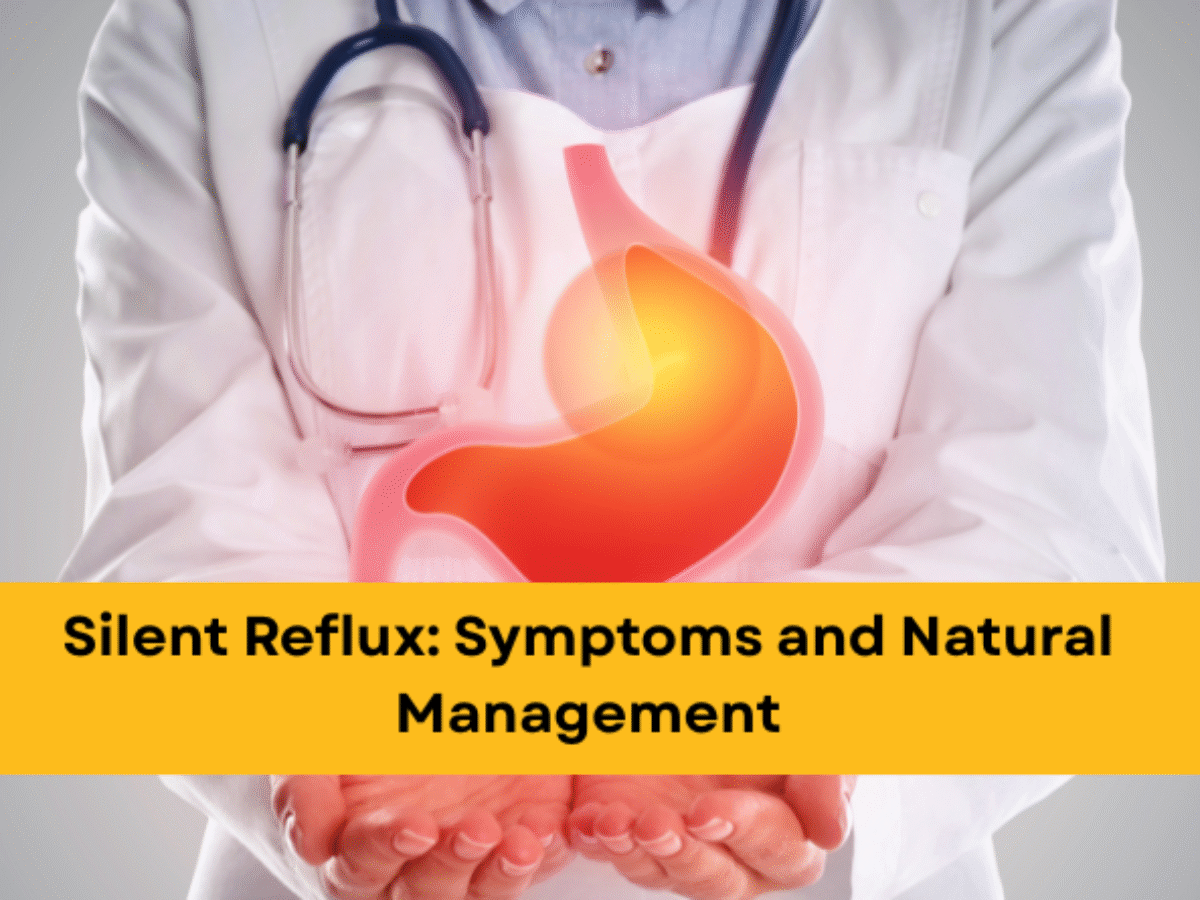
Several lifestyle and workplace factors make office workers more susceptible to silent reflux. Understanding these triggers is essential for effective management.
Poor Posture and Sedentary Lifestyle
Sitting hunched over a desk compresses the stomach and can allow acid to escape upward into the esophagus. Long hours without breaks reduce circulation, delay digestion, and increase reflux risk.
Eating Habits and Timing
Skipping breakfast, eating quickly at your desk, or consuming heavy meals late in the day can trigger silent reflux. Acid production is highest after meals, and remaining seated for long periods without moving can worsen symptoms.
Stress and Mental Pressure
Stress increases stomach acid production and can exacerbate reflux. Tight deadlines, constant notifications, and workplace anxiety all contribute to silent reflux flare-ups, even in the absence of overt heartburn.
Trigger Foods and Drinks
Caffeine, coffee, carbonated beverages, fried foods, chocolate, spicy dishes, citrus, and tomato-based products can increase reflux events. Many office workers rely on coffee and snacks throughout the day, unintentionally aggravating silent reflux.
Smoking and Alcohol Use
Smoking relaxes the lower esophageal sphincter, allowing acid to flow upward. Alcohol can also irritate the throat and increase stomach acid production. Workplace social events or stress-related habits often include these triggers.
Nutrition Strategies to Reduce Silent Reflux
Diet plays a major role in managing silent reflux. Adjusting your eating habits can significantly reduce irritation and improve comfort at work.
Eat Smaller, Frequent Meals
Large meals increase stomach pressure and reflux risk. Eating smaller portions every 3–4 hours prevents overfilling and helps the esophagus handle stomach acid more effectively.
Avoid Trigger Foods and Drinks
Identify foods that worsen symptoms, such as coffee, tea, soda, fried foods, chocolate, and citrus fruits. Reducing or avoiding these items during work hours can reduce throat irritation.
Focus on Soothing Foods
Bananas, oatmeal, ginger tea, lean proteins, and non-citrus fruits are easier on the stomach and throat. They help neutralize acid and minimize inflammation.
Stay Upright After Eating
Sitting straight or taking a short walk for 15–30 minutes after meals prevents acid from moving upward. Lying down immediately after eating increases reflux risk, even if no burning is felt.
Hydration Is Key
Drinking water throughout the day helps dilute stomach acid and keeps mucous membranes healthy. Avoid large volumes of caffeine or carbonated drinks, which can exacerbate reflux.
Lifestyle Adjustments for Office Workers
Beyond diet, simple lifestyle modifications at work can significantly reduce silent reflux symptoms.
Improve Posture
Keep your back straight and shoulders relaxed while sitting. Ergonomic chairs and adjustable desks can support better posture and reduce abdominal pressure.
Take Regular Breaks
Stand up, stretch, or walk for a few minutes each hour. This improves digestion, reduces stomach compression, and increases circulation.
Manage Stress
Mindfulness techniques, deep breathing exercises, or short meditation sessions during breaks can reduce acid production caused by stress.
Adjust Sleeping Patterns
Though office workers are awake during the day, sleeping at a slight incline (head elevated 15–30 degrees) can reduce nighttime reflux. Avoid eating large meals at least 2–3 hours before bed.
Products from Pharmily Limited Kenya That Can Help
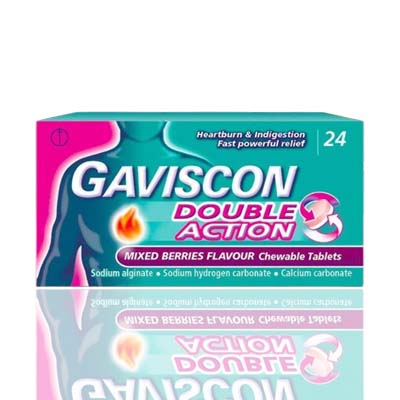
Pharmily stocks several effective products that can support symptom relief and digestive comfort when silent reflux symptoms are present. Always consult a healthcare professional before starting any medication or supplement.
1. Gaviscon Double Action Tablets - These tablets provide fast‑acting relief by forming a protective barrier on top of stomach contents to prevent acid from rising into the esophagus. They help reduce throat irritation and discomfort after meals.
2. Nexium Control 20mg Gastro‑Resistant Tablets - A proton pump inhibitor (PPI) that reduces stomach acid production, helping to control acid levels and reduce irritation with regular use (as directed). Useful for ongoing management under clinical guidance.
3. Digestive Enzyme Supplements - Digestive enzymes with probiotics can improve digestion and reduce post‑meal reflux discomfort by aiding breakdown of food and supporting gut health.
5. Herbal Support - Chamomile Tea - Chamomile is known for its calming properties and potential to soothe the digestive tract. A warm cup after meals can help reduce irritation and support comfortable digestion.
⚠️ Always use these products as directed and consult a clinician, especially if symptoms are frequent or severe.
When to See a Healthcare Professional
Silent reflux often goes unnoticed, but persistent symptoms should not be ignored.
- Chronic cough, hoarseness, or sore throat
- Difficulty swallowing or sensation of a lump in the throat
- Unexplained weight loss or persistent nausea
- Frequent vomiting or regurgitation
- Chest pain or palpitations alongside reflux symptoms
Early medical evaluation prevents complications like esophagitis, vocal cord damage, or Barrett’s esophagus.
A doctor may recommend lifestyle changes, dietary adjustments, diagnostic tests, or medications.
Recurring heartburn without pain is often overlooked, but silent reflux can significantly impact quality of life if left unmanaged.
Office workers are particularly at risk due to sedentary habits, stress, irregular eating, and posture challenges.
By paying attention to subtle symptoms, improving diet, adjusting posture, taking short breaks, and seeking professional support when necessary, you can reduce reflux episodes and protect your throat and digestive health.
Recognizing silent reflux early is the key to maintaining comfort and productivity at work.
FAQs
Q1: What is silent reflux?
A: Silent reflux, or laryngopharyngeal reflux (LPR), occurs when stomach acid reaches the throat without causing the typical burning sensation in the chest. It often leads to subtle symptoms like hoarseness, chronic cough, or throat irritation.
Q2: Can silent reflux occur without heartburn?
A: Yes. Unlike typical acid reflux, silent reflux often has no chest pain. Symptoms may include a lump in the throat, chronic throat clearing, or a sour taste in the mouth.
Q3: Which foods trigger silent reflux in office workers?
A: Common triggers include coffee, tea, carbonated drinks, fried foods, chocolate, spicy dishes, and citrus fruits. Individual triggers may vary, so keeping a food diary helps identify them.
Q4: What lifestyle changes reduce silent reflux?
A: Maintaining upright posture, taking short walking breaks, eating smaller meals, avoiding late meals, and managing stress can reduce reflux episodes. Ergonomic improvements also help.
Q5: When should I see a doctor for recurring heartburn without pain?
A: Seek medical advice if symptoms persist, worsen, or include chronic cough, difficulty swallowing, unexplained weight loss, or chest discomfort. Early evaluation prevents complications.