Skin Congestion and Closed Comedones: Causes and Gentle Treatment Options
by Maroa Noa · 22 May 2026
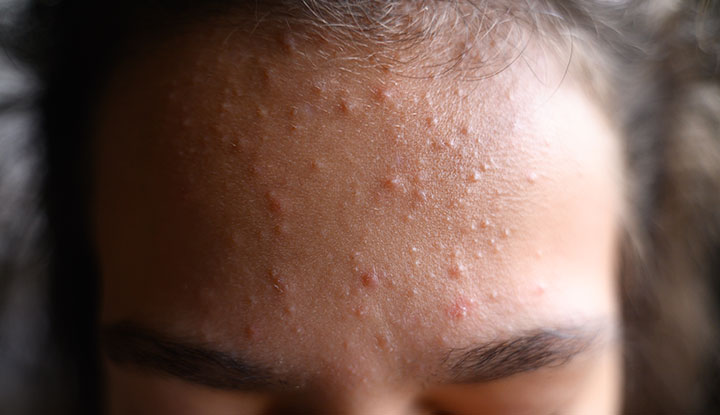
Those Stubborn Little Bumps Have a Name
You know that feeling when you run your fingers across your forehead or chin and notice tiny bumps sitting just beneath the surface? They're not quite pimples; they don't hurt, and they never seem to come to a head, yet they won't go away no matter what you try.
You're not alone. What you're likely dealing with is skin congestion, and those pesky little bumps are called closed comedones. They're one of the most common skin concerns across all skin types, and the good news is they're absolutely manageable with the right approach.
This guide will walk you through everything you need to know: what closed comedones are, what causes them, and — most importantly — the gentle, effective ways to treat them without irritating your skin further.
What Is Skin Congestion?
Skin congestion refers to a buildup of impurities, excess oil (sebum), and dead skin cells within the pores. When pores become clogged over time, the skin can take on a rough, uneven texture — even if it looks relatively clear at a glance.
Congested skin often appears
- Dull or lackluster
- Textured or bumpy to the touch
- Prone to breakouts in the same areas repeatedly
- Slightly enlarged in pore appearance
Skin congestion isn't a single condition—it's more of an umbrella term for a range of pore-clogging concerns, with closed comedones among the most prevalent.
What Are Closed Comedones?
A comedone (plural: comedones) is a clogged hair follicle or pore. There are two main types:
- Open comedones — commonly known as blackheads. The pore is open, and oxidation turns the trapped debris dark.
- Closed comedones — commonly known as whiteheads or flesh-coloured bumps. The pore is sealed over by a thin layer of skin, trapping sebum and dead skin cells inside.
Closed comedones typically appear as small, slightly raised bumps that are skin-toned or white. They don't have the redness or inflammation you'd associate with a typical pimple, but they can eventually progress into inflamed acne if left untreated.
They're most common on the forehead, chin, nose, and cheeks – but they can appear anywhere on the face, neck, chest, or back.
What Causes Closed Comedones and Congested Skin?
Understanding the root causes is the first step toward treating them effectively. Closed comedones rarely have just one cause — they're usually the result of several overlapping factors.
1. Excess Sebum Production
Your skin naturally produces oil to keep itself moisturised and protected. However, when sebaceous glands produce too much sebum—due to genetics, hormones, or environmental triggers — that excess oil can accumulate inside the pores and contribute to blockages.
2. Dead Skin Cell Buildup
Your skin sheds dead cells constantly as part of its natural renewal cycle. When this process slows down — or when dead cells aren't effectively removed — they can mix with sebum and clog the pores, leading to closed comedones.
3. Comedogenic Skincare and Makeup Products
Not all products are created equal. Some contain ingredients that are known to clog pores — these are called comedogenic ingredients. Common culprits include certain heavy oils (like coconut oil for some skin types), silicones, and thick occlusive moisturisers.
4. Hormonal Fluctuations
Hormones play a significant role in sebum production. Fluctuations during puberty, menstruation, or pregnancy, or due to conditions like polycystic ovary syndrome (PCOS), can all trigger increased oil production, which raises the risk of closed comedones.
5. Diet
While the relationship between diet and acne is still being studied, some evidence suggests that high-glycaemic foods (think white bread, sugary drinks, and processed snacks) and dairy may contribute to breakouts and congestion in some individuals. This varies greatly from person to person.
6. Environmental Factors
Pollution, humidity, and even certain fabrics against your skin (like pillowcases that aren't washed regularly) can contribute to congestion. Urban environments with higher levels of particulate matter have been linked to increased skin congestion.
7. Over-Cleansing or Harsh Skincare
Here's a common myth-busting moment: washing your face more aggressively does not clear congestion faster. In fact, stripping the skin of its natural oils can cause a rebound effect, where your skin overproduces sebum to compensate, worsening congestion over time.
Common Myths About Congested Skin — Debunked
Before we get into treatments, let's clear the air on a few misconceptions that might be making your skin worse:
Myth #1: Congested skin is dirty skin. Closed comedones are not a sign of poor hygiene. Even the most diligent cleansers can experience skin congestion. It's largely about biology, products, and habits — not cleanliness.
Myth #2: Scrubbing will unclog pores. Physical scrubs with rough particles can micro-tear the skin and push debris deeper into pores. Gentle exfoliation is far more effective — and much kinder to your skin barrier.
Myth #3: Squeezing comedones will clear them. We understand the temptation. But squeezing can introduce bacteria, cause post-inflammatory hyperpigmentation, and even lead to scarring. Leave extractions to the professionals.
Myth #4: Oily skin doesn't need moisturiser. Skipping moisturiser when you have oily or congested skin is one of the most common skincare mistakes. Dehydrated skin actually produces more sebum, making congestion worse. The key is choosing the right moisturiser.
Gentle Treatment Options for Closed Comedones
Here's what you've been waiting for. The most effective approach to treating closed comedones is a consistent, gentle routine — not aggressive interventions. Think long game, not a quick fix.
Step 1: Cleanse the Right Way
Start with a gentle, non-comedogenic cleanser that effectively removes dirt, oil, and makeup without stripping the skin. If you wear sunscreen or makeup, consider double cleansing — an oil-based cleanser first to dissolve product buildup, followed by a water-based cleanser to clear the skin.
What to look for: Cleansers labelled "non-comedogenic", "oil-free", or "for acne-prone skin".
Frequency: Twice daily — morning and evening. No more, no less.
Step 2: Incorporate Chemical Exfoliants
This is where the real magic happens. Unlike physical scrubs, chemical exfoliants work inside the pore to dissolve the bonds holding dead skin cells and sebum together.
Salicylic Acid (BHA)
Best for: Oily and acne-prone skin
Salicylic acid is oil-soluble, which means it can penetrate deep into pores and dissolve the sebum and debris, causing congestion. It also has anti-inflammatory properties, making it ideal for closed comedones. Look for concentrations of 0.5% to 2% in cleansers, toners, or serums.
Alpha Hydroxy Acids (AHAs) — Glycolic and Lactic Acids
Best for: All skin types, especially those with texture concerns
AHAs work on the skin's surface to speed up cell turnover and prevent dead skin cells from piling up. Glycollic acid penetrates more deeply, while lactic acid is gentler and better suited for sensitive skin.
Important tip: Start with a lower concentration 2–3 times a week to let your skin adjust. More is not better here.
Polyhydroxy Acids (PHAs)
Best for: Sensitive skin
PHAs are the gentlest of the chemical exfoliant family. They offer similar benefits to AHAs but with a larger molecular size, meaning they don't penetrate as deeply, reducing the risk of irritation.
Step 3: Swap to Non-Comedogenic Products
Go through your current skincare and makeup routine and check for comedogenic ingredients. Switching to lighter, non-comedogenic formulas — especially for foundation, sunscreen, and moisturiser — can make a significant difference over time.
Look for gel-based or water-based formulas and products labelled "non-comedogenic" or "won't clog pores".
Swap suggestions:
- Heavy cream moisturizers → lightweight gel moisturizers
- Oil-heavy sunscreens → mineral or gel-based SPF
- Full-coverage foundations → lighter, breathable formulas
Step 4: Don't Skip Moisturizer — Choose Wisely
A well-hydrated skin barrier is a healthy one. When the skin is properly moisturised, it's less likely to overproduce sebum. Choose a lightweight, non-comedogenic moisturiser with ingredients like hyaluronic acid, niacinamide, or ceramides.
Niacinamide, in particular, is a skincare hero for congested skin. It helps regulate sebum production, minimise the appearance of pores, and even out skin tone — all without irritating the skin.
Step 5: Consider Retinoids
Retinoids – derivatives of vitamin A – are widely regarded as one of the most effective ingredients for treating closed comedones. They work by accelerating skin cell turnover, preventing dead cells from clogging pores, and regulating sebum production.
Over-the-counter options: Retinol, retinaldehyde (gentler, faster-converting). Prescription options: Tretinoin, adapalene (also available OTC in some countries)
Important note: Retinoids can cause initial purging and sensitivity, especially when you first start using them. Always introduce them slowly — once or twice a week — and use SPF daily, as they increase photosensitivity.
Step 6: Professional Treatments
For persistent or widespread closed comedones, professional treatments can offer faster, more targeted results:
- Facials and professional extractions: A trained aesthetician can safely and hygienically extract closed comedones without causing damage or scarring.
- Chemical peels: Higher-concentration AHA/BHA peels performed in a clinical setting can significantly reduce congestion.
- Microdermabrasion: A controlled exfoliation treatment that removes the outer layer of dead skin cells.
- Prescription retinoids: A dermatologist can prescribe stronger topical treatments tailored to your skin's needs.
Your Simple Routine at a Glance
Building a consistent skincare routine is one of the best ways to manage oily skin, acne breakouts, post-acne marks, and uneven texture. The products below work together to gently cleanse, protect, hydrate, and renew your skin without over-drying it.
- La Roche-Posay Effaclar Purifying Foaming Gel Cleanser – This dermatologist-recommended foaming cleanser is designed for oily, sensitive, and acne-prone skin. It helps remove excess oil, dirt, sweat, and impurities without disrupting the skin barrier, leaving the skin feeling fresh, clean, and balanced while helping reduce shine and clogged pores.
- La Roche-Posay Effaclar Duo (+) SPF 30 – This multi-action moisturiser combines hydration, blemish care, and broad-spectrum sun protection in one lightweight formula. It helps reduce pimples, unclog pores, fade post-acne marks, and protect the skin from UV damage that can worsen dark spots and acne scars.
- CeraVe Resurfacing Retinol Serum – This gentle retinol serum is formulated to improve post-acne marks, rough texture, enlarged pores, and uneven skin tone. Encapsulated retinol helps support skin renewal, while niacinamide calms the skin and ceramides help restore the protective barrier.
- CeraVe Daily Moisturising Lotion – A lightweight, non-comedogenic moisturiser that delivers long-lasting hydration without clogging pores. Enriched with essential ceramides and hyaluronic acid, it helps strengthen the skin barrier and maintain moisture balance.
- Sébionex Hydra Cream – This soothing repair cream is designed for skin weakened by acne treatments, retinoids, or harsh skincare products. It helps calm irritation, relieve tightness, and deeply hydrate sensitive or dry skin while supporting skin recovery.
What to Avoid When Treating Closed Comedones
As important as knowing what to do is knowing what not to do:
- Avoid harsh physical scrubs with coarse particles (walnut shell, sugar, salt) — these can damage the skin barrier.
- Avoid pore strips — they may remove surface debris but do nothing for closed comedones sealed beneath the skin.
- Don't pick or squeeze — this is worth repeating. Picking spreads bacteria, causes inflammation, and can lead to permanent scarring.
- Avoid over-exfoliating — using multiple exfoliating products simultaneously can compromise your skin barrier and worsen congestion.
- Don't skip SPF — sun damage thickens the outer layer of skin, making it harder for congestion to clear.
When to See a Dermatologist
Home care goes a long way, but there are times when professional guidance is the smarter path:
- Your closed comedones are widespread, persistent, or worsening despite a consistent routine
- You're developing inflamed acne (red, painful pimples) in addition to closed comedones
- You suspect hormonal imbalances may be contributing to your breakouts
- You've tried over-the-counter treatments for 8–12 weeks without improvement
- You're considering prescription retinoids or stronger treatments
A dermatologist can assess your skin, identify underlying causes, and create a treatment plan tailored specifically to you — which is always more effective than a one-size-fits-all approach.
Key Takeaways
- Skin congestion is a buildup of oil, dead skin cells, and impurities in the pores. Closed comedones are a common, non-inflammatory form of congestion.
- They're caused by excess sebum, dead skin cell buildup, comedogenic products, hormonal changes, diet, and environmental factors.
- Harsh scrubbing, squeezing, and over-cleansing make things worse, not better.
- Effective treatments include salicylic acid, AHAs, non-comedogenic product swaps, retinoids, and — in persistent cases — professional treatments.
- Consistency is everything. Most treatments take 6–12 weeks to show visible results.
- When in doubt, see a dermatologist.
Final Thoughts: Be Patient and Be Gentle
Skin congestion and closed comedones can feel frustrating, especially when progress feels slow. But your skin responds best to consistency, gentleness, and a little patience. Resist the urge to do too much at once — introducing multiple active ingredients simultaneously is a recipe for irritation, not results.
Start simple: a gentle cleanser, a BHA or AHA exfoliant a few times a week, a non-comedogenic moisturizer, and daily SPF. Give it 6–8 weeks before assessing what's working. Small, steady changes lead to lasting improvement.
Your skin is doing its best. So should your routine.
Frequently Asked Questions (FAQs)
Q: What is the difference between closed comedones and whiteheads?
The terms are often used interchangeably, but there's a subtle distinction. A closed comedone is a clogged pore sealed under the skin — it can be flesh-coloured and barely visible. A whitehead is technically a closed comedone that has a more visible white or yellowish tip.
Q: How long does it take for closed comedones to clear up?
Most people see noticeable improvement within 6–12 weeks of consistent treatment. Chemical exfoliants like salicylic acid or retinoids can begin showing results in 4–6 weeks, but full clearing often takes longer. Patience is essential — rapid changes in your routine can irritate the skin and slow progress.
Q: Can closed comedones go away on their own? Some may resolve on their own over time, especially minor ones. However, without addressing the root cause (excess oil, dead skin buildup, comedogenic products), new ones will continue to form. A targeted routine is the most reliable way to both clear existing comedones and prevent new ones.
Q: Is it safe to extract closed comedones at home?
It's strongly discouraged. Closed comedones are sealed beneath the skin, which means squeezing them can cause the follicle wall to rupture, introducing bacteria into deeper skin layers and leading to inflammation, scarring, or post-inflammatory hyperpigmentation. Professional extraction by a licensed esthetician or dermatologist is the safe option.
Q: Can diet affect closed comedones?
It can, for some people. High-glycemic foods and dairy have been associated with increased sebum production and breakouts in certain individuals. There's no single diet that works for everyone, but if you notice correlations between specific foods and flare-ups, it's worth noting and possibly reducing those foods.
Q: What ingredients should I avoid if I have congested skin?
Watch out for ingredients that are highly comedogenic, including coconut oil, isopropyl myristate, sodium lauryl sulfate in heavy formulations, and occlusive butters (shea butter, cocoa butter) when used on the face. When in doubt, look for products explicitly labeled non-comedogenic.
Q: Can I use multiple active ingredients at once?
Proceed with caution. Combining too many actives (e.g., retinol, salicylic acid, and AHAs all in one routine) can over-exfoliate the skin and compromise your skin barrier. It's better to start with one active, assess how your skin responds over several weeks, and then slowly introduce others if needed.
Q: Where can I buy reliable skincare products for closed comedones in Kenya?
Pharmily Kenya is a trusted online pharmacy that stocks genuine, dermatologist-recommended brands including La Roche-Posay and CeraVe. They offer countrywide delivery with free shipping on orders over Ksh 2,999, and their licensed pharmacists are available on WhatsApp for guidance before you buy.