Skin Redness and Sensitivity Without Acne: Underlying Triggers
by Maroa Noa · 23 May 2026
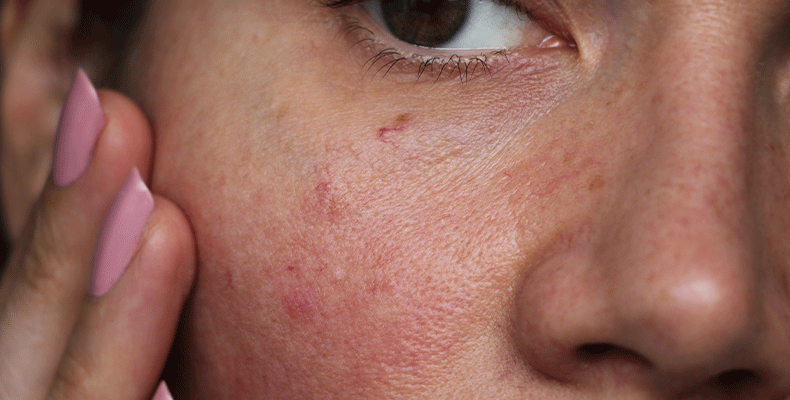
Many people assume that facial redness automatically means acne, but this is not always true. A large number of individuals experience persistent redness, burning sensations, irritation, flushing, or skin sensitivity without developing pimples or clogged pores.
In many cases, the skin may feel uncomfortable long before visible symptoms become severe.
Sensitive or reactive skin has become increasingly common in recent years due to environmental pollution, overuse of active skincare ingredients, harsh exfoliation trends, stress, climate change, and excessive product layering.
The challenge with skin redness without acne is that it can have multiple underlying causes. Some people may have a weakened skin barrier due to over-exfoliation, while others may be dealing with rosacea, allergic reactions, dehydration, weather-related irritation, or sensitivity to skincare ingredients.
Understanding the root cause is important because treatments that help one condition may worsen another.
This article explores the science behind skin redness and sensitivity, common triggers, the role of the skin barrier, how lifestyle habits contribute to inflammation, and the best dermatologist-recommended skincare approaches for calming irritated skin.
What Is Skin Redness Without Acne?
Skin redness without acne refers to inflammation or irritation of the skin that occurs without typical acne lesions such as whiteheads, blackheads, papules, or cysts.
The redness may appear as flushing, diffuse pinkness, patchy irritation, or visible capillaries, depending on the underlying cause.
Unlike acne, which is primarily driven by clogged pores and inflammation surrounding hair follicles, redness without acne is often associated with skin barrier dysfunction, blood vessel dilation, allergic responses, or inflammatory skin conditions like rosacea and eczema.
Some individuals also experience burning, itching, stinging, or warmth in addition to visible redness.
The condition may affect the cheeks, nose, forehead, chin, or even the neck and chest. For some people, symptoms come and go depending on triggers such as heat, skincare products, stress, or weather changes.
Others may experience persistent redness that gradually worsens over time without proper management.
What Causes Skin Redness and Sensitivity Without Acne?
1. Over-Exfoliation and Skin Barrier Damage
One of the most common causes of facial redness today is excessive exfoliation. Many people unknowingly damage their skin barrier by combining strong active ingredients such as glycollic acid, salicylic acid, retinol, benzoyl peroxide, and physical scrubs within the same routine.
Exfoliation is designed to remove dead skin cells and encourage skin renewal, but overdoing it strips away essential lipids and weakens the skin’s protective barrier. Once compromised, the skin becomes more vulnerable to moisture loss, environmental irritants, and inflammation.
Symptoms of over-exfoliation include shiny skin, tightness, stinging after applying products, redness, peeling, increased breakouts, and heightened sensitivity. Ironically, some people continue exfoliating more aggressively because they mistake irritation for acne or purging, which worsens the problem further.
2. Rosacea
Rosacea is a chronic inflammatory skin condition that commonly affects adults between the ages of 30 and 50. It is often mistaken for acne because redness sometimes appears alongside bumps or flushing, but rosacea primarily involves blood vessel instability and chronic inflammation rather than clogged pores.
People with rosacea may experience persistent redness across the cheeks and nose, visible blood vessels, burning sensations, swelling, and increased sensitivity to skincare products. Flare-ups are often triggered by sunlight, stress, spicy foods, alcohol, heat, or sudden temperature changes.
Although rosacea cannot currently be cured, it can usually be managed successfully with gentle skincare, sunscreen use, trigger avoidance, and dermatologist-prescribed treatments when necessary.
3. Harsh Skincare Products
Not all skincare products are suitable for sensitive skin. Some contain ingredients that may disrupt the skin barrier or trigger irritation, particularly when used frequently or in high concentrations.
Common irritants include:
- Alcohol-heavy toners
- Strong fragrances
- Essential oils
- Sulfates
- Menthol
- Artificial dyes
Even products labelled “natural” or “organic” can cause sensitivity in some individuals. Fragrance, in particular, remains one of the leading causes of cosmetic-related skin irritation worldwide.
Repeated exposure to irritating products weakens the skin over time and may increase redness, dryness, itching, and inflammation.
4. Sun Damage and UV Exposure
Sun exposure is one of the biggest contributors to chronic skin redness and sensitivity. Ultraviolet (UV) radiation damages collagen, weakens the skin barrier, increases inflammation, and dilates blood vessels, leading to visible redness and flushing.
People with sensitive skin or rosacea are especially vulnerable to UV-related irritation. Prolonged exposure may also worsen hyperpigmentation, dehydration, and skin thinning over time.
Daily sunscreen use is therefore considered one of the most important steps in protecting sensitive skin and preventing worsening redness.
5. Environmental and Weather Changes
Environmental stressors can significantly affect skin sensitivity. Cold weather, dry air, wind exposure, humidity fluctuations, and pollution all increase transepidermal water loss (TEWL), making it harder for the skin barrier to retain moisture effectively.
In colder climates or air-conditioned environments, the skin may become dry, flaky, and reactive. In hot or humid conditions, sweating and heat may trigger flushing and irritation, particularly in individuals prone to rosacea or inflammatory skin conditions.
Pollution particles can also generate oxidative stress within the skin, accelerating inflammation and weakening the barrier over time.
6. Stress and Emotional Triggers
Stress affects the skin more than many people realise. Psychological stress activates inflammatory pathways within the body and stimulates the release of stress hormones such as cortisol and adrenaline.
These hormonal changes may increase:
- Facial flushing
- Skin sensitivity
- Oil production
- Inflammatory responses
Stress-related skin reactions are particularly common in people with rosacea, eczema, psoriasis, and sensitive skin. Lack of sleep and chronic stress may also impair the skin’s ability to repair itself efficiently.
Signs of a Damaged Skin Barrier
The skin barrier acts as the body’s first line of defence against bacteria, allergens, pollutants, and moisture loss. When damaged, the skin becomes vulnerable, reactive, and inflamed.
Common signs include:
- Burning or Stinging After Applying Products – A damaged skin barrier allows skincare ingredients to penetrate too deeply into the skin, leading to burning, tingling, or stinging sensations.
- Persistent Redness and Inflammation – When the skin barrier is weakened, the skin becomes more vulnerable to irritation and inflammation. Blood vessels near the surface dilate more easily, causing visible redness and flushing.
- Tightness and Dryness After Cleansing – Healthy skin should feel comfortable after cleansing, not tight or overly dry. Tightness usually means the cleanser has stripped away too much of the skin’s natural oils.
- Flaking, Peeling, and Rough Texture – Over-exfoliated or barrier-damaged skin often becomes flaky, rough, or uneven because it cannot retain moisture properly.
- Excessive Oiliness Despite Dryness – When the skin becomes dehydrated, it may overproduce oil to compensate for moisture loss. This creates skin that feels greasy on the surface but tight underneath.
- Increased Sensitivity to Products and Weather – Barrier-damaged skin reacts more easily to heat, cold weather, wind, fragrance, and active skincare ingredients. Even gentle moisturisers or sunscreen may suddenly cause discomfort.
Best Ingredients for Redness and Sensitive Skin
Ceramides
Ceramides are lipids naturally found within the skin barrier. They help maintain hydration, prevent moisture loss, and strengthen the skin’s protective structure. Skincare products containing ceramides are particularly beneficial for repairing over-exfoliated or irritated skin.
Hyaluronic Acid
Hyaluronic acid is a humectant capable of attracting and retaining large amounts of water within the skin. It helps improve hydration levels and reduces tightness and discomfort associated with dehydrated or sensitive skin.
Niacinamide
Niacinamide, a form of vitamin B3, helps reduce redness, regulate oil production, strengthen the skin barrier, and improve uneven skin tone. It is widely recommended for individuals with rosacea, sensitivity, and inflammation.
Panthenol
Panthenol, also known as provitamin B5, has soothing and anti-inflammatory properties that help calm irritated skin and support healing.
Recommended Products for Sensitive and Red Skin
- CeraVe Hydrating Cleanser – This gentle, non-foaming cleanser removes impurities without disrupting the skin barrier. Formulated with ceramides and hyaluronic acid, it helps maintain hydration while reducing tightness and irritation often associated with harsh cleansers.
- La Roche-Posay Toleriane Dermo-Cleanser – Specially developed for highly sensitive skin, this soothing cleanser helps reduce discomfort while gently cleansing without fragrance or harsh surfactants.
- La Roche-Posay Cicaplast Baume B5+ – This multi-purpose repair balm contains panthenol and madecassoside to calm redness, support skin healing, and restore compromised skin barriers.
- CeraVe Moisturising Cream – A rich moisturiser containing essential ceramides and hyaluronic acid that deeply hydrates while strengthening the skin barrier against further irritation.
- La Roche-Posay Anthelios UVMune 400 Invisible Fluid SPF50+ – A lightweight sunscreen designed for sensitive skin that offers broad-spectrum UV protection without clogging pores or irritating reactive skin.
Final Thoughts
Skin redness and sensitivity without acne are often signs that the skin barrier is struggling to function properly. While it may be tempting to treat redness aggressively, the healthiest approach is usually the gentlest one.
Modern skincare trends often encourage excessive exfoliation and complicated routines filled with active ingredients, but more products do not always mean healthier skin. In many cases, simplifying your routine, prioritising hydration, and supporting the skin barrier can dramatically improve redness and sensitivity over time.
With patience, consistency, proper sun protection, and carefully chosen skincare products, sensitive skin can become calmer, stronger, and more resilient.
FAQs
Q: Why is my skin red even though I do not have acne?
Skin redness without acne is often caused by irritation, sensitivity, rosacea, allergies, over-exfoliation, or a damaged skin barrier. Environmental factors such as sun exposure, weather changes, and pollution can also contribute to persistent redness.
Q: What is the skin barrier, and why is it important?
The skin barrier is the outer protective layer of the skin that helps retain moisture and defend against irritants, bacteria, and environmental damage. When the barrier is weakened, the skin becomes more sensitive, dehydrated, and prone to redness, burning, and irritation.
Q: Can over-exfoliation permanently damage the skin?
Most cases of over-exfoliation are temporary and improve with proper care and barrier repair. However, chronic overuse of harsh exfoliants may lead to prolonged sensitivity, inflammation, and increased skin reactivity. Gentle skincare and patience are essential for recovery.
Q: How long does it take for a damaged skin barrier to heal?
Mild barrier damage may improve within several days to two weeks, while more severe irritation can take several weeks or months to fully recover. Recovery depends on how damaged the barrier is and whether irritating products are discontinued.
Q: What ingredients help calm red and sensitive skin?
Ingredients such as ceramides, niacinamide, hyaluronic acid, panthenol, and glycerin are commonly recommended for soothing irritated skin and supporting barrier repair. These ingredients help hydrate, strengthen, and calm inflamed skin without causing additional irritation.
Q: Can oily skin also have a damaged skin barrier?
Yes. Oily skin can still become dehydrated and sensitive if harsh products strip away too much moisture. In response, the skin may produce even more oil to compensate, leading to greasy yet irritated skin.
Q: Is sunscreen necessary for sensitive skin?
Absolutely. UV exposure worsens inflammation, redness, and skin barrier damage. A gentle broad-spectrum sunscreen helps protect sensitive skin from further irritation and prevents worsening redness or hyperpigmentation