Supporting Circulation in Seniors With Limited Physical Activity
by Maroa Noa · 08 Apr 2026
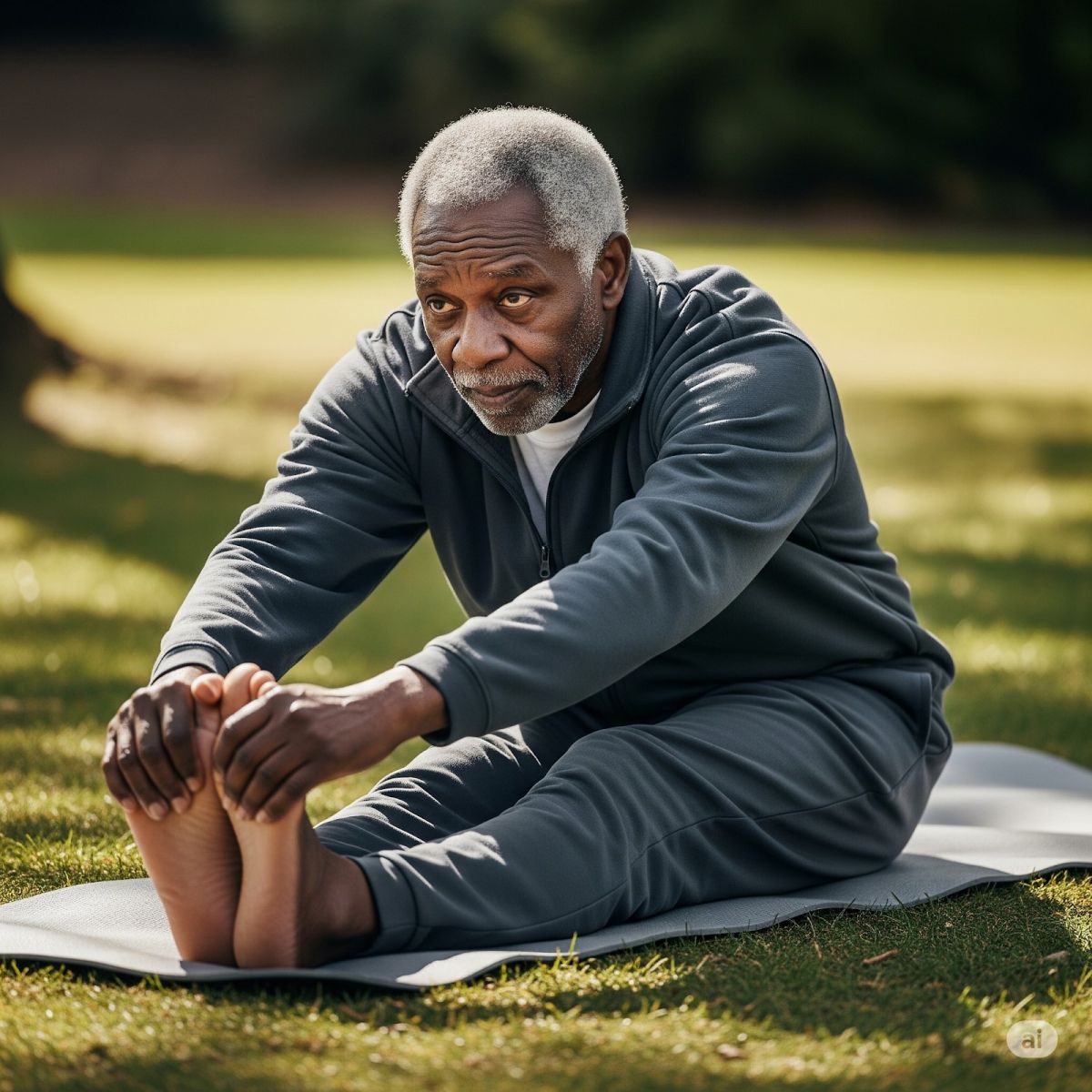
Poor circulation is a common concern among older adults, especially those who spend long hours seated, in bed, or moving less because of chronic illness, pain, disability, or post-surgery recovery.
In many homes across Kenya, families notice signs such as cold feet, swollen ankles, leg discomfort, numbness, or slower healing but may not immediately connect them to circulation problems.
The good news is that better support often starts with simple, consistent routines at home. With the right approach, families can help improve comfort, reduce complications, and support safer ageing.
For professionals balancing work and caregiving responsibilities, understanding how to manage poor circulation in the elderly in Kenya can make daily care more structured, more effective, and less stressful.
This article explains what poor circulation looks like in seniors, why it matters, and how to support circulation safely at home using practical lifestyle steps, home monitoring, and supportive products available from Pharmily Limited Kenya.
What Poor Circulation Means in Older Adults
Circulation refers to how well blood moves through the body to deliver oxygen and nutrients to tissues. In seniors, circulation may become less efficient due to ageing, reduced mobility, chronic conditions, or long periods of sitting and lying down.
Poor circulation in elderly people may be linked to the following:
Reduced physical activity
When muscles move less, blood flow through the legs and feet may slow down. This is especially common in seniors who are bedridden, wheelchair users, or recovering from illness.
Chronic health conditions
Conditions such as high blood pressure, diabetes, heart disease, and obesity can affect blood vessels and reduce healthy blood flow.
Medication, pain, and fatigue
Some seniors avoid movement because of joint pain, weakness, fatigue, or fear of falling. Over time, low movement can worsen swelling and discomfort in the lower limbs.
For families and caregivers, recognising these risks early is an important part of patient monitoring and long-term elder care.
Common Signs of Poor Circulation in Seniors
Poor circulation may develop gradually, so it helps to know what to look for. Common signs include:
- Cold hands and feet - The feet may feel unusually cold, even in warm weather.
- Swelling in the legs, ankles, or feet - Fluid retention, particularly after long periods of sitting, may point to circulation challenges.
- Tingling, numbness, or heaviness - Some seniors describe their legs as tired, heavy, or “asleep.”
- Skin colour changes - Pale, bluish, or unusually red skin in the lower limbs can signal poor blood flow.
- Slow wound healing - Minor cuts or pressure-related skin changes may take longer to improve when circulation is poor.
These symptoms should not be ignored, particularly in older adults with diabetes or hypertension, where circulation problems may lead to more serious complications.
Why Limited Activity Can Worsen Circulation
Movement acts like a natural pump for the body. When the calf muscles contract during walking or even simple leg exercises, they help push blood back toward the heart. Without regular movement, blood can pool in the lower limbs, contributing to swelling, discomfort, and reduced tissue health.
This is why seniors with limited physical activity often need a more intentional circulation-support routine. Even very small amounts of guided movement can make a meaningful difference over time.
Simple Ways to Support Circulation at Home
Supporting circulation does not always require intense exercise. In many cases, gentle, regular habits are the most effective.
Encourage safe movement throughout the day
If the senior can walk, short indoor walks or standing breaks can help. If walking is difficult, seated ankle rolls, toe lifts, leg stretches, and gentle foot movements may still support circulation.
For seniors with more limited mobility, carer-assisted repositioning is also useful. Changing position regularly can reduce pressure and support better blood flow.
Elevate the legs when appropriate
Raising the legs slightly while resting may help reduce swelling in some individuals. This should be done comfortably and based on medical advice, especially in seniors with heart or vascular conditions.
Stay hydrated
Dehydration can affect overall circulation and make older adults feel weaker or more fatigued. Encourage regular fluid intake unless a doctor has advised fluid restriction.
Manage chronic conditions consistently
Healthy circulation is strongly linked to good control of blood pressure and blood sugar. Home monitoring plays a major role here. Pharmily’s elder-care guidance highlights the importance of daily health monitoring tools such as a digital blood pressure monitor, glucometer, and pulse oximeter for seniors being cared for at home.
The Role of Home Monitoring in Elder Care
For working professionals caring for ageing parents or relatives, home monitoring helps turn guesswork into informed action. It allows families to notice patterns early and communicate more clearly with clinicians.
Useful monitoring habits include:
Blood pressure tracking
High blood pressure can affect circulation and heart health. A home monitor helps track readings regularly and supports medication follow-up. Pharmily specifically recommends a digital blood pressure monitor as a useful daily monitoring device for elder care at home.
Blood sugar monitoring
Diabetes is a major contributor to poor circulation, especially in the feet. A glucometer helps monitor trends and may support earlier intervention when readings are unstable. Pharmily notes glucometers among the key home medical devices for senior care.
Oxygen and general wellbeing checks
For seniors with chronic illness, fatigue, or breathing-related issues, routine checks can offer useful context during recovery or long-term care. Pharmily also identifies pulse oximeters as relevant home monitoring tools for elder care.
Supportive Products for Seniors With Limited Mobility
While no product can replace medical diagnosis or treatment, some home-care items can improve comfort, support safer mobility, and reduce strain linked to inactivity.
Mobility support products
When limited movement is part of the problem, the right mobility aid can help seniors change position more safely and maintain some degree of activity.
Pharmily offers standard wheelchairs for elderly mobility and disability support, designed for comfort and convenience. Pharmily also offers a patient transfer wheelchair, positioned as a safe and durable mobility solution for elderly and recovering patients.
Home-care equipment for bedbound seniors
For seniors who are mostly bedridden, reducing unnecessary strain matters. A plastic bed pan can support toileting without forcing difficult transfers, and Pharmily notes that it is useful for elderly individuals with limited mobility.
A plastic urinal bottle may also help reduce the risk of falls by allowing safer urine collection for elderly or bedridden patients.
Comfort and hygiene support
Seniors with mobility limitations may also need discreet continence support as part of daily care. Pharmily stocks options such as Age Care Adult Diapers Large, Confidence Adult Diapers Large, and Adfit Adult Pants Large.
These products are presented by Pharmily as suitable for seniors, limited mobility, and home caregiving support.
You can also browse Pharmily’s Home Care Equipment category for additional elder-care support items.
When to Seek Medical Advice
Poor circulation should never be self-managed blindly. A clinician should assess the senior promptly if there is:
- sudden swelling in one leg
- severe pain in the leg or foot
- skin breakdown or wounds that are not healing
- new bluish or very pale skin colour
- chest pain, breathlessness, or sudden weakness
These signs may point to more serious circulation or cardiovascular issues and need medical attention.
Supporting circulation in seniors with limited physical activity is not about pushing intense exercise. It is about creating a safe, consistent daily routine that protects blood flow, supports comfort, and reduces avoidable complications.
For busy caregivers and professionals, that may mean combining simple movement, hydration, pressure care, chronic disease monitoring, and practical home-care equipment.
When circulation support is approached early and consistently, seniors are more likely to stay comfortable, preserve dignity, and maintain a better quality of life at home.
FAQs
Q. What causes poor circulation in elderly people?
Poor circulation in older adults may be caused by reduced activity, diabetes, high blood pressure, heart disease, obesity, or long periods of sitting or lying down.
Q. Can limited movement really affect circulation?
Yes. Movement helps the muscles push blood through the legs. When seniors move less, blood flow can slow down, especially in the lower limbs.
Q. How can I improve circulation in a senior at home?
Gentle movement, regular repositioning, hydration, chronic disease monitoring, and safe mobility support can all help. These steps should be tailored to the senior’s health condition.
Q. What are the warning signs of poor circulation in elderly people?
Common signs include cold feet, swollen ankles, numbness, tingling, leg heaviness, skin colour changes, and slower wound healing.
Q. Which Pharmily products can support elderly care at home?
Helpful options may include a digital blood pressure monitor, mobility aids such as a standard wheelchair or patient transfer wheelchair, and home-care items like a plastic bed pan, plastic urinal bottle, and adult diapers for limited mobility support.
Q. Is poor circulation in the elderly an emergency?
Not always, but sudden leg swelling, severe pain, colour change, wounds, or breathing difficulty should be assessed urgently by a healthcare professional