Understanding Acne: Causes, Types, and Treatment Options
by Maroa Noa · 20 Jul 2026
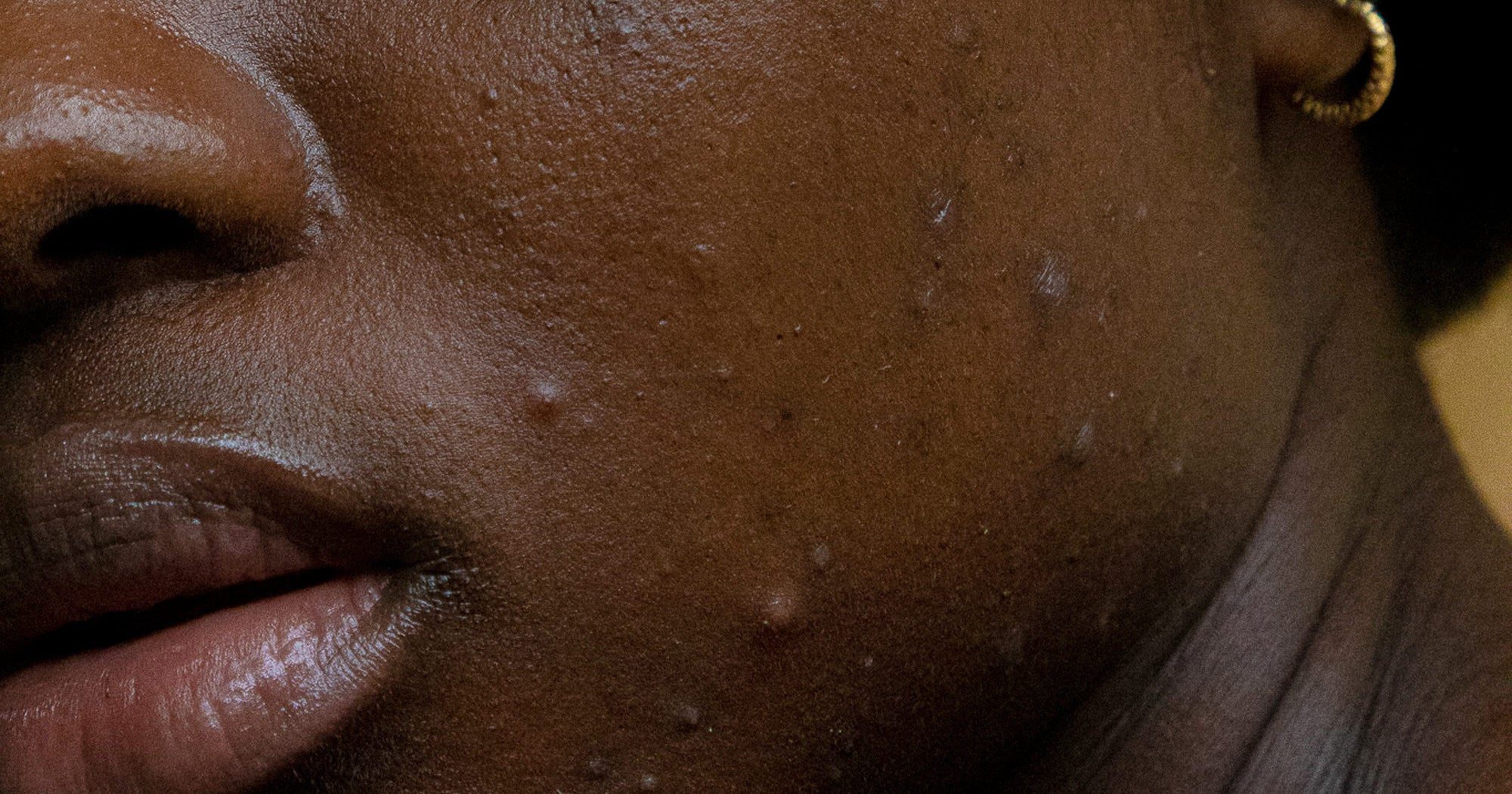
A Pharmily guide to one of the most common skin concerns we help with
Acne is one of the most common reasons people come to us for skin advice, and it affects people of all ages, not just teenagers. Whether it's the occasional pimple or something more persistent that's knocking your confidence, understanding what's actually happening in your skin is the first step to clearer skin.
What Is Acne?
Acne happens when the tiny openings in your skin (hair follicles) get blocked with oil and dead skin cells. This creates the perfect environment for bacteria that normally live harmlessly on your skin to multiply and cause inflammation. That's what leads to the bumps, blackheads, and pimples we all recognize as acne.
It shows up most often on the face, chest, back, and shoulders, the areas with the most oil glands.
What Causes Acne?
Usually it's a mix of things happening together, not just one cause:
- Skin making too much oil
- Pores getting blocked with dead skin cells
- Bacteria multiplying and causing inflammation
- Hormone changes, which increase oil production
- Genetics, if acne runs in your family, you're more likely to get it too
- Some medicines, including certain contraceptives and steroids
- Diet, some people find their acne gets worse with sugary foods or dairy
- Stress, which can trigger hormone changes that worsen breakouts
- Heavy, oily skin or hair products that clog pores
Different Types of Acne
Not all pimples are the same, and knowing which type you have helps you pick the right treatment.
Non-Inflamed Acne
- Blackheads: blocked pores that turn dark when exposed to air
- Whiteheads: blocked pores still covered by skin, showing as small white bumps
Inflamed Acne
- Papules: small, red, tender bumps with no visible pus
- Pustules: red bumps with a visible white or yellow center
- Nodules: larger, painful lumps deep under the skin
- Cysts: deep, pus-filled lumps that can be painful and are more likely to leave scars
|
Don't Squeeze It Popping or squeezing pimples, especially the inflamed ones, raises your risk of scarring and can push the infection deeper into the skin, making it worse. It's one of the most common mistakes we see, and one of the easiest to avoid. |
How Is Acne Treated?
Treatment depends on how severe your acne is, what type it is, and how your skin reacts. Most people need a mix of approaches, and it usually takes six to eight weeks before you notice real improvement, so give it time and stick with it.
Over-the-Counter Options
- Benzoyl peroxide: kills acne-causing bacteria and helps unclog pores; comes in different strengths
- Salicylic acid: helps clean out pores and reduce blackheads and whiteheads
- Adapalene (a mild retinoid): helps skin cells turn over normally so pores don't get blocked
- Niacinamide products: help calm inflammation and support healthy skin
Prescription Options
- Antibiotic creams or tablets: reduce bacteria and inflammation for moderate to severe acne
- Stronger retinoids: for more stubborn or widespread acne
- Hormonal treatments: certain contraceptive pills or other hormone-based medicines, mainly for women whose acne is linked to hormones
- Isotretinoin tablets: kept for severe, deep, or scarring acne that hasn't responded to other treatment, and needs close monitoring by a doctor because of possible side effects
A Simple, Consistent Routine
- Wash your face gently, twice a day, avoid scrubbing hard as it can make things worse
- Use oil-free moisturizer and sunscreen, even if your skin feels oily
- Introduce new products like benzoyl peroxide or retinoids slowly to avoid irritation
- Try not to touch your face throughout the day
- Change your pillowcase often and clean your phone screen, both collect oil and bacteria
- Be patient, most treatments need several weeks of steady use before you see a difference
When Should You See a Pharmacist or Doctor?
- Over-the-counter treatment hasn't helped after two to three months of regular use
- Your acne is painful, deep, or leaving scars
- You suddenly get severe breakouts, especially alongside other changes like irregular periods
- You're pregnant or breastfeeding and want to know what's safe to use
- Acne is affecting your confidence or how you feel day to day
At Pharmily, our pharmacists can help you build the right routine, pick products suited to your skin, and let you know when it might be time for something stronger or a doctor's opinion.
Pharmily Kenya Products That Can Help Manage Acne
Finding the right skincare products can make a significant difference in managing acne, but with so many options available, it can be difficult to know where to start.
At Pharmily Kenya, you'll find a range of dermatologist-recommended skincare products suitable for oily, combination, and acne-prone skin. Whether you're dealing with occasional pimples, persistent blackheads, or frequent breakouts, the products below can help you build an effective skincare routine.
1. CeraVe SA Smoothing Cleanser (236ml) - A gentle cleanser containing salicylic acid that helps remove excess oil and dead skin cells without damaging the skin barrier. It is suitable for acne-prone, rough, and oily skin and can help reduce clogged pores over time.
2. Cetaphil Oily Skin Cleanser - This soap-free cleanser gently removes excess oil, dirt, and makeup without stripping away essential moisture. It's suitable for daily use and helps keep pores clean while maintaining healthy skin.
3. CeraVe AM Facial Moisturising Lotion SPF - Provides daily hydration together with broad-spectrum sun protection. Sunscreen is essential because acne treatments can make the skin more sensitive to sunlight and increase the risk of post-acne pigmentation.
4. Dr Organic Aloe Vera Face Wash (150ml) - This gentle face wash cleanses impurities while soothing irritated skin with aloe vera. It is suitable for people with sensitive or mildly acne-prone skin who prefer a non-harsh cleanser.
5. Benzac AC (Benzoyl Peroxide) - Contains benzoyl peroxide, one of the most effective over-the-counter acne ingredients. It kills acne-causing bacteria, reduces inflammation, and helps prevent new pimples from developing.
Quick Recap
- Acne happens when pores get blocked with oil and dead skin, and bacteria cause inflammation
- The right treatment depends on the type and severity of your acne, and often works best as a combination
- Stick with it, most treatments take six to eight weeks to show real results
- Avoid popping or squeezing pimples to lower your risk of scarring
- Severe or scarring acne is worth getting checked rather than treating on your own for too long
FAQs
Q. What is the main cause of acne?
Acne develops when pores become blocked with excess oil, dead skin cells, and bacteria. Hormones, genetics, stress, and certain medications can also contribute to breakouts.
Q. How long does acne treatment take to work?
Most acne treatments require 6 to 8 weeks of consistent use before noticeable improvement. Some severe cases may take several months.
Q. Can diet cause acne?
Diet affects people differently. High-sugar foods and some dairy products may worsen acne in certain individuals, although they are not the sole cause.
Q. Should I pop my pimples?
No. Squeezing pimples can push bacteria deeper into the skin, increase inflammation, and raise the risk of permanent acne scars.
Q. Can adults get acne?
Yes. Adult acne is common, especially among women due to hormonal changes, stress, certain medications, and genetics.
Q. Should I moisturise if I have oily skin?
Yes. Using a lightweight, oil-free, non-comedogenic moisturiser helps maintain the skin barrier and can reduce irritation caused by acne treatments.
Q. Does sunscreen help acne?
Yes. Sunscreen helps prevent post-inflammatory hyperpigmentation (dark marks after acne) and protects skin made more sensitive by acne medications.
Q. When should I see a healthcare professional?
Seek professional advice if your acne is painful, leaving scars, not improving after 2–3 months of treatment, or causing significant emotional distress.