UTI vs STI Symptoms: Why They Feel So Similar, How to Tell the Difference, and What to Do Next
by Maroa Noa · 24 Feb 2026
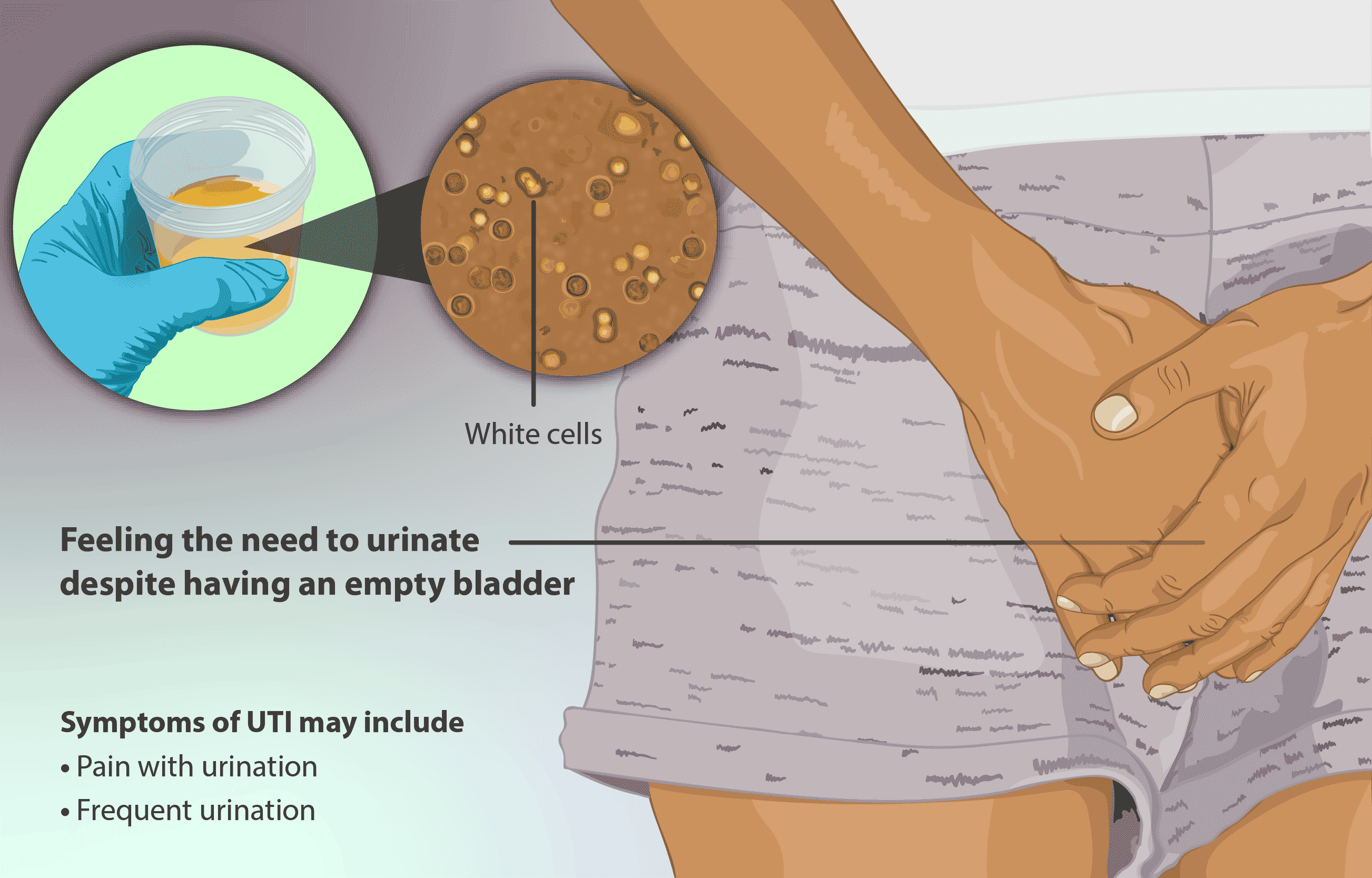
A burning sensation when you pee can stop you in your tracks. It’s uncomfortable, worrying, and often leaves you wondering, “What’s going on with my body?”
For many people, the confusion comes down to one big question: Is this a urinary tract infection (UTI) or a sexually transmitted infection (STI)?
The tricky part is that UTIs and STIs share many symptoms, especially in the early stages. This overlap causes a lot of anxiety and, unfortunately, leads many people to self-diagnose incorrectly.
Let’s clear the confusion. In this guide, we’ll compare UTI vs STI symptoms, explain common burning urination causes, and walk you through the most important next steps to take immediately.
First Things First: What Exactly Are UTIs and STIs?
What Is a Urinary Tract Infection (UTI)?
A UTI happens when bacteria enter the urinary system, which includes the urethra, bladder, ureters, and kidneys. UTIs are not sexually transmitted, but sexual activity can make it easier for bacteria to enter the urinary tract—especially in women.
UTIs are very common and usually respond well to treatment when caught early.
What Is a Sexually Transmitted Infection (STI)?
STIs are infections passed through sexual contact. They can affect the urinary tract, genitals, and reproductive organs. Some STIs cause noticeable symptoms, while others remain silent for long periods.
Because some STIs irritate the urethra, they can feel exactly like a UTI at first.
Why UTIs and STIs Are Often Confused
Both conditions can irritate the urinary tract, which is why the symptoms overlap. Many people experience discomfort while urinating and assume it’s a UTI—only to later discover it’s an STI.
Symptoms UTIs and STIs Share
- Burning or stinging during urination
- Frequent urge to urinate
- Discomfort in the lower abdomen or pelvis
- A general feeling that “something isn’t right”
This is why burning urination alone cannot confirm the cause.
Signs That Point More Toward a UTI
UTI symptoms are usually focused on urination and bladder discomfort.
Common UTI symptoms include:
- A strong, constant urge to urinate
- Passing small amounts of urine often
- Cloudy or foul-smelling urine
- Mild lower abdominal pain
- Blood in the urine (in some cases)
UTIs do not usually cause genital sores, itching, or abnormal discharge.
Signs That Point More Toward an STI
STIs tend to affect both the urinary system and the genitals.
Common STI symptoms include:
- Unusual vaginal or penile discharge
- Genital itching, irritation, or redness
- Pain during sex
- Sores, blisters, or rashes around the genitals
- Pelvic pain in women or testicular pain in men
It’s also important to know that many STIs show very mild symptoms—or none at all. This is why testing is so important, even if symptoms seem manageable.
Why Does Urination Burn? Understanding the Real Causes
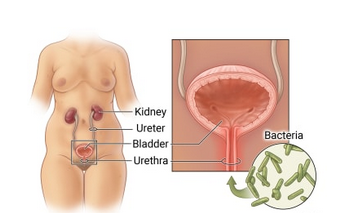
That burning feeling happens when the lining of the urethra becomes inflamed or irritated.
Common burning urination causes include:
- Bacterial infection (UTI)
- Irritation caused by an STI
- Vaginal infections such as yeast or bacterial vaginosis
- Dehydration, which makes urine more concentrated
- Harsh soaps or intimate hygiene products
Because so many factors can cause burning, relying on symptoms alone can be misleading.
Immediate Next Steps: What You Should Do Right Away
1. Don’t Guess the Cause: Taking antibiotics without testing can make symptoms worse and contribute to antibiotic resistance.
2. Get Tested as Soon as Possible: A urine test or STI screening can quickly identify the problem and guide the correct treatment.
3. Pause Sexual Activity: If there’s any chance of an STI, avoiding sex helps protect both you and your partner.
4. Increase Fluid Intake: Drinking plenty of water helps flush bacteria from the urinary tract and may reduce discomfort.
Helpful Products Available at Pharmily Limited Kenya
While medical testing and treatment are essential, certain products can help support urinary and sexual health, reduce discomfort, and prevent future infections. The following are available at Pharmily Limited Kenya:
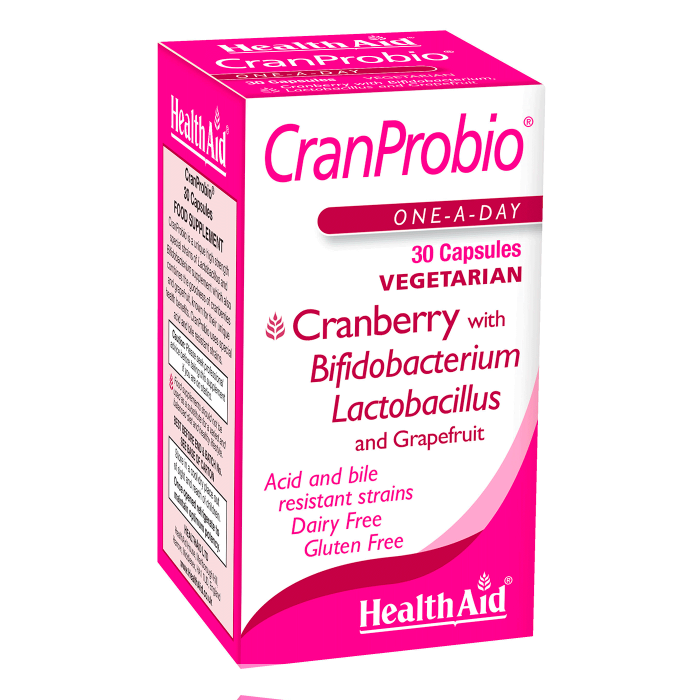
1. HealthAid Cranberry Capsules
Cranberry supplements help support urinary tract health by preventing bacteria from sticking to the bladder walls. They are especially helpful for people prone to recurrent UTIs.
2. UTI Home Test Strips
These strips allow you to check for early signs of a UTI at home and help you decide when to seek medical care.
3. Gentle Intimate Wash (pH-Balanced)
Using a mild, non-irritating intimate wash helps maintain natural balance and reduces irritation that can worsen symptoms.
4. Durex Condoms
Condoms are one of the most effective ways to prevent STIs and protect urinary and reproductive health.
When You Should See a Doctor Immediately
Seek medical attention if:
- Symptoms last longer than 48 hours
- You experience fever, chills, or back pain
- There is blood in the urine
- You suspect an STI
- You are pregnant
Early treatment prevents complications and speeds up recovery.
When it comes to UTI vs STI symptoms, confusion is common—but ignoring symptoms or guessing the cause can lead to complications. Burning urination is your body’s way of telling you something isn’t right.
The safest and smartest move is early testing, proper treatment, and preventive care. With the right information and support, relief is closer than you think.
FAQs
Q. Can a UTI feel exactly like an STI?
Yes. Early symptoms can feel almost identical, especially burning during urination.
Q. Can STIs cause frequent urination?
Yes. STIs can irritate the urethra and create the urge to urinate often.
Q. Is it safe to treat a UTI without seeing a doctor?
Mild symptoms may improve with hydration, but testing is strongly recommended before taking antibiotics.
Q. Can someone have both a UTI and an STI at the same time?
Yes, it’s possible, which makes testing even more important.
Q. How can I reduce my risk of UTIs and STIs?
Drink plenty of water, practice good hygiene, urinate after sex, and use condoms consistently.