What Happens If Antibiotics Don’t Work for a UTI?
by Maroa Noa · 29 May 2026
Urinary tract infections (UTIs) are among the most common bacterial infections affecting both men and women worldwide.
In Kenya, many people experience recurrent UTIs due to factors such as delayed treatment, self-medication, poor hydration, underlying health conditions, or incomplete antibiotic use.
While most UTIs improve with a proper course of antibiotics, there are situations in which antibiotics may fail to work effectively.
When antibiotics stop working against a UTI, the infection may become persistent, recurrent, or more serious. This can happen because the bacteria causing the infection become resistant to commonly used antibiotics, making treatment more difficult.
Antibiotic-resistant UTIs are becoming a growing global health concern and may lead to complications if not managed properly.
Understanding why antibiotics sometimes fail, the warning signs to watch for, and the available treatment options can help patients seek proper medical care early and avoid serious complications.
What Is a UTI?
A urinary tract infection occurs when bacteria enter the urinary system and multiply. UTIs can affect different parts of the urinary tract, including:
- The urethra
- The bladder
- The ureters
- The kidneys
Most UTIs involve the bladder and urethra and are usually caused by the bacterium Escherichia coli (E. coli), which naturally lives in the digestive tract.
Women are generally more likely to develop UTIs because the female urethra is shorter, allowing bacteria to reach the bladder more easily.
Common Symptoms of a UTI

UTI symptoms can range from mild discomfort to severe infection. Common symptoms include:
- Burning sensation during urination
- Frequent urge to urinate
- Passing small amounts of urine
- Cloudy or strong-smelling urine
- Lower abdominal pain or pelvic pressure
- Blood in urine
- Fever or chills in severe cases
- Back pain or flank pain if the kidneys are affected
If symptoms persist after antibiotic treatment, this may indicate antibiotic resistance, incorrect diagnosis, or another underlying condition.
Why Antibiotics Sometimes Fail to Treat a UTI
There are several reasons why antibiotics may not work effectively for a urinary tract infection.
Antibiotic Resistance
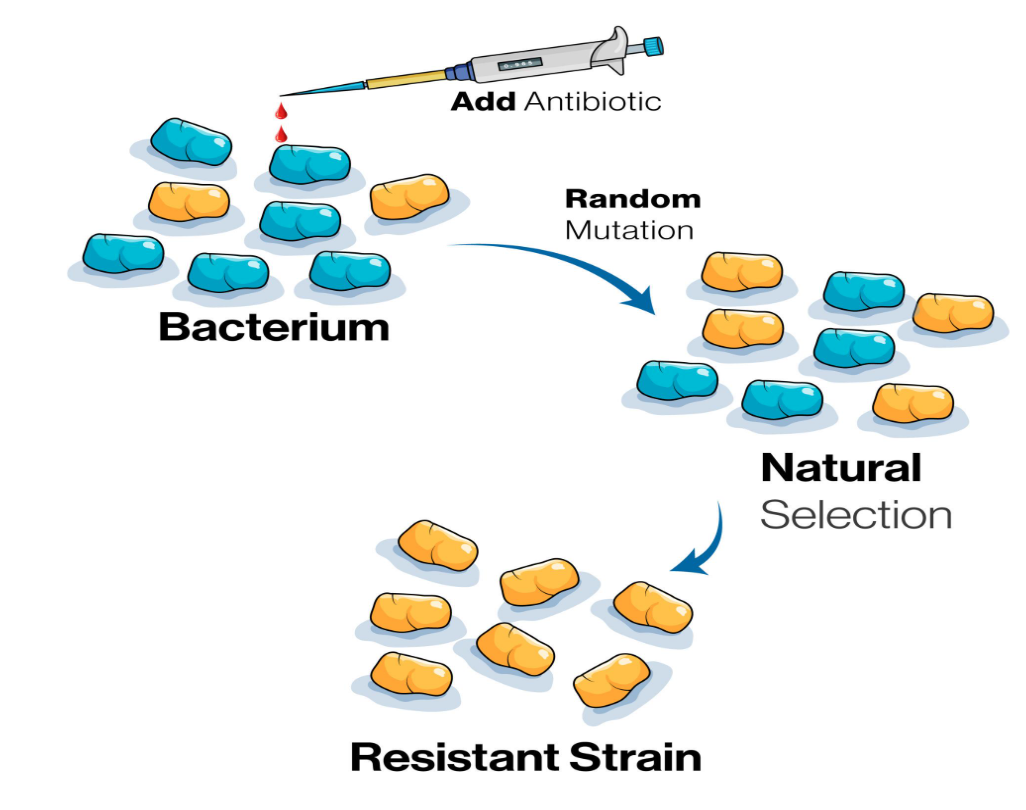
Antibiotic resistance occurs when bacteria change and become strong enough to survive medications that previously killed them. This is one of the leading reasons UTIs may not respond to treatment.
Over time, bacteria exposed repeatedly to antibiotics may develop resistance mechanisms that make the drugs ineffective. This means the infection continues even after completing treatment.
Using the Wrong Antibiotic
Not all antibiotics work against every type of bacteria. Sometimes treatment is started before identifying the exact bacteria causing the infection. If the bacteria are resistant to the chosen antibiotic, symptoms may continue or worsen.
This is why urine culture and sensitivity testing are often recommended for recurrent or complicated UTIs.
Incomplete Antibiotic Use
Some people stop taking antibiotics once they start feeling better instead of completing the full course. Unfortunately, this may allow some bacteria to survive and become resistant.
Incomplete treatment increases the risk of recurrent infections and antibiotic resistance.
Recurrent UTIs
Some individuals experience repeated urinary tract infections within a short period. In these cases, the infection may return because:
- The original infection was not fully cleared
- Resistant bacteria remain in the urinary tract
- There is an underlying health condition
- Reinfection occurs from a new bacterial exposure
Recurring UTIs should always be properly investigated by a healthcare professional.
Underlying Medical Conditions
Certain health conditions may increase the risk of treatment failure, including:
- Diabetes
- Kidney stones
- Enlarged prostate
- Weak immune system
- Urinary retention
- Pregnancy
- Catheter use
These conditions can make it easier for bacteria to grow and harder for antibiotics to eliminate the infection.
Signs That Your UTI Antibiotics May Not Be Working
You should seek medical attention if you notice:
- Symptoms lasting more than 2–3 days after starting antibiotics
- Fever or chills
- Worsening pain
- Blood in urine
- Nausea or vomiting
- Back or kidney pain
- Persistent burning urination
- Recurrent infections after treatment
These signs may suggest a resistant infection or complications affecting the kidneys.
Complications of Untreated or Resistant UTIs
If antibiotics fail and the infection is left untreated, serious complications can occur.
Kidney Infection (Pyelonephritis)
Bacteria may spread from the bladder to the kidneys, causing severe infection. Kidney infections can lead to fever, severe back pain, nausea, and long-term kidney damage if untreated.
Sepsis
In severe cases, bacteria from the urinary tract may enter the bloodstream, leading to sepsis. Sepsis is a life-threatening medical emergency that requires urgent hospital treatment.
Chronic Urinary Problems
Persistent or recurrent UTIs may cause ongoing bladder irritation, discomfort, and urinary problems that affect daily quality of life.
How Doctors Diagnose Antibiotic-Resistant UTIs
Healthcare professionals may perform several tests to identify resistant infections.
- Urine Analysis – A urine sample is checked for bacteria, white blood cells, blood, or signs of inflammation.
- Urine Culture and Sensitivity Testing – This test identifies:
- The exact bacteria causing the infection
- Which antibiotics can kill the bacteria
- Which antibiotics do the bacteria resist
This helps doctors choose the most effective treatment.
- Imaging Tests – In complicated or recurrent cases, ultrasound or CT scans may be used to check for kidney stones, blockages, or structural abnormalities.
Treatment Options When Antibiotics Don’t Work
Switching Antibiotics
Once culture results are available, doctors may prescribe a different antibiotic that is more effective against the resistant bacteria.
Common alternatives may include:
- Nitrofurantoin
- Fosfomycin
- Ciprofloxacin
- Ceftriaxone
- Amoxicillin-clavulanate
The choice depends on the bacteria involved and the patient’s medical history.
Intravenous (IV) Antibiotics

Severe or kidney-related infections may require hospital admission and intravenous antibiotics for faster and stronger treatment.
Managing Underlying Conditions
Treating contributing factors such as diabetes, kidney stones, or urinary retention is important for preventing repeated infections.
Hydration and Supportive Care
Drinking enough water helps flush bacteria from the urinary tract. Doctors may also recommend pain relief medication or urinary alkalinisers to ease discomfort.
Products Available in Kenya That May Support UTI Management
Some supportive products available through Pharmily Kenya may help support urinary health and symptom relief alongside prescribed medical treatment.
- Cranberry Supplements – Cranberry products are commonly used to support urinary tract health. Some research suggests they may help reduce the ability of bacteria to stick to the urinary tract walls.
- Urinary Alkalinizers – Urinary alkalinisers may help reduce burning sensations and discomfort during urination by lowering urine acidity.
- Probiotics – Probiotics may help support healthy bacterial balance in the body, especially after repeated antibiotic use.
- Vitamin C Supplements – Vitamin C supports immune function and may help improve the body’s natural defense mechanisms against infections.
How to Prevent Antibiotic-Resistant UTIs
Preventing resistance is extremely important for long-term urinary health.
- Complete All Antibiotics – Always finish the full course exactly as prescribed, even if symptoms improve earlier.
- Avoid Self-Medication – Taking antibiotics without a proper diagnosis may worsen resistance and delay correct treatment.
- Stay Hydrated – Drinking enough water helps flush bacteria from the urinary tract.
- Practice Good Hygiene – Proper hygiene may help reduce bacterial spread and lower UTI risk.
- Urinate Regularly – Avoid holding urine for long periods, as this may encourage bacterial growth.
- Seek Medical Care Early – Early diagnosis and treatment reduce the risk of complications and resistant infections.
While many urinary tract infections respond well to antibiotics, resistant UTIs are becoming increasingly common worldwide, including in Kenya. When antibiotics fail, infections may persist, recur, or spread to the kidneys and bloodstream if not treated properly.
Proper diagnosis, urine culture testing, responsible antibiotic use, hydration, and early medical care are essential for managing resistant UTIs safely. Avoiding self-medication and completing prescribed treatment can also help slow the growing problem of antibiotic resistance.
FAQs
1. Why are my antibiotics not working for my UTI?
Antibiotics may fail because the bacteria are resistant, the wrong antibiotic was used, treatment was incomplete, or there is an underlying health condition contributing to the infection.
2. Can a UTI go away without antibiotics?
Some mild UTIs may improve naturally, but bacterial infections often require medical treatment. Untreated UTIs may worsen or spread to the kidneys.
3. What happens if a UTI becomes antibiotic-resistant?
Resistant UTIs may become harder to treat, last longer, recur frequently, and increase the risk of kidney infection or sepsis.
4. How do doctors know which antibiotic will work?
Doctors may perform a urine culture and sensitivity test to identify the bacteria and determine which antibiotics are most effective.
5. When should I seek urgent medical care for a UTI?
You should seek urgent care if you develop fever, severe pain, vomiting, blood in urine, kidney pain, or symptoms that continue despite antibiotic treatment.